
Iris stolonifera
Iris stolonifera
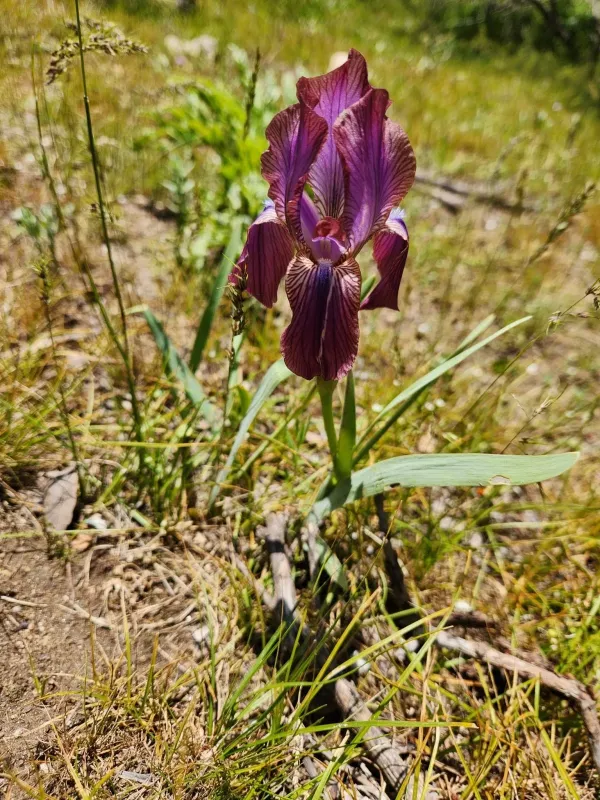
Description
Growing requirements
Iris stolonifera belongs to the Iridaceae family and is a distinctive perennial plant native to the mountain regions of Central Asia, specifically the Pamir-Alai range. It is prized for its unique foliage and multi-colored blooms.
Botanically, the species is distinguished by its stoloniferous rhizomes, which allow the plant to spread across the ground. It typically grows to a height of 30–50 cm and produces flowers that often feature a wavy edge and vibrant contrasting colors.
The plant thrives in well-drained, porous soils that mimic its native rocky habitat. It is highly intolerant of waterlogged conditions, which can lead to rapid deterioration of the rhizome structure, so site selection with proper drainage is essential.
Optimal environmental conditions include full sun exposure, which is necessary for the development of robust flower spikes. It is naturally adapted to climates with distinct seasonal temperature changes, requiring a dry summer rest period to bloom effectively the following season.
Cultural practices involve minimal soil disturbance and careful watering habits. During the spring growth period, moderate moisture is beneficial, but once the flowering phase is complete, the soil should remain relatively dry to prevent dormancy issues.
Main diseases and pests
The most significant threat to Iris stolonifera is root rot caused by stagnant moisture. Ensuring proper air circulation around the base of the plant is vital to preventing the spread of pathogens that thrive in damp soil.
Iris borers or flies can pose a significant challenge during the bud development stage. Early detection and the application of targeted biological or chemical control agents are recommended to preserve the integrity of the flowers.
Fungal leaf spot diseases are prevalent in areas with high humidity. Maintenance routines should prioritize the removal of dead or decaying foliage to reduce the likelihood of fungal colonization on healthy leaves.
Aphids and thrips can occasionally cause damage by feeding on young growth. These pests not only weaken the plant but can also serve as vectors for various plant viruses that significantly reduce the plant's lifespan.
Implementing a strict hygiene routine—such as clearing away debris and maintaining appropriate spacing between plants—serves as the first line of defense against most biological threats in an Iris stolonifera planting scheme.