
Ixia polystachya
Ixia polystachya
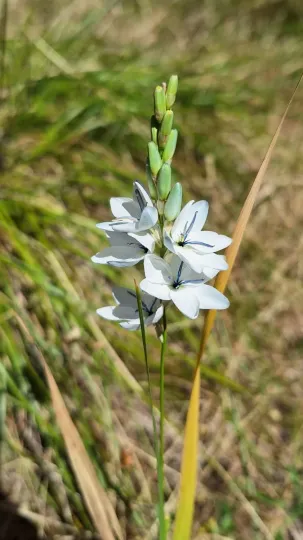
Description
Sowing dates
Ixia polystachya, belonging to the Iridaceae family, is a perennial cormous plant native to the Cape region of South Africa. In temperate climates, the bulbs (corms) are typically planted in the spring once the risk of frost has passed.
The ideal planting depth for these corms is approximately 5 to 8 centimeters, with a spacing of about 10 to 15 centimeters between plants. This allows for adequate air circulation and prevents overcrowding during the active growth phase.
In cooler regions, gardening enthusiasts often start bulbs in pots indoors, ensuring they are placed in a sunny location once the weather warms. This technique helps in prolonging the blooming season and ensuring a more controlled environment.
Propagation is primarily achieved through the separation of offsets, which are small cormlets produced by the parent bulb. These are detached during the dormant period and replanted the following season.
Proper timing is essential for successful establishment, as the soil temperature should be consistent to encourage root development before the foliage begins to grow rapidly.
Growing requirements
This species requires a very sunny location to perform well. It is a Mediterranean-climate plant that flourishes in full sun, which is necessary for the development of its vibrant flower spikes.
The soil must be well-draining, light, and sandy. Heavy, clay-based soils should be amended with organic matter or gravel to ensure that water does not sit around the corms, which is a major cause of failure.
Regarding soil pH, the plant prefers neutral to slightly acidic conditions. It is essential to maintain good drainage to replicate the natural, dry summer conditions these plants experience in their native habitat.
Watering should be regular during the active growing season, particularly when the flower spikes are forming. However, as soon as the foliage begins to wither, watering should be significantly reduced or stopped.
The plants benefit from occasional feeding with a balanced liquid fertilizer during their vegetative stage, which supports both stem strength and the development of high-quality replacement corms.
Main diseases and pests
The primary threats to Ixia polystachya are fungal infections, such as bulb rot, which are triggered by waterlogged soil. Proper soil structure is the best natural defense against these pathogens.
Common pests include aphids and spider mites, which can infest the foliage, particularly in warm and dry conditions. Regular inspections are necessary to identify infestations before they spread.
For pest management, contact or systemic insecticides are recommended. It is important to rotate the use of different chemical families to prevent the pests from developing resistance to common treatments.
Pre-planting treatments for the corms using a systemic fungicide can help reduce the risk of soil-borne diseases. Ensuring the area has proper ventilation also helps to discourage fungal growth.
Removing damaged or yellowing leaves quickly can also assist in keeping the garden clean and free from potential hotspots for various horticultural diseases.
Harvesting
The harvest or lifting of the corms takes place after the foliage has died back naturally, typically in late summer. This dormant phase is critical for the plant to store energy for the next year.
Once lifted, the corms should be cleaned of excess soil, cured in a shaded and well-ventilated area for several days, and inspected for any signs of mechanical damage or infection.
Storage should be done in cool, dry conditions with adequate airflow. Using paper bags or breathable wooden boxes helps to maintain the health of the planting material until the next planting cycle.
- Discard any shriveled or diseased corms.
- Store in a temperature-controlled environment.
- Label the storage bags clearly with the species name.
- Check periodically during the winter for drying or decay.
Successful storage ensures a reliable supply of healthy corms, which will result in robust, flowering plants during the subsequent growing season.