
Iris variegata
Iris variegata
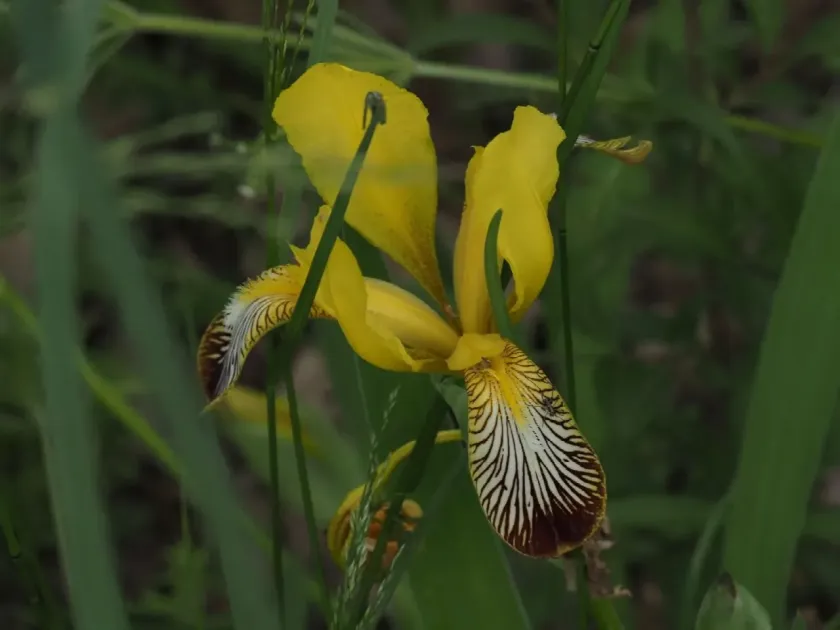
Description
Sowing dates
The optimal time for planting Iris variegata is from late summer to early autumn. During this period, the plant enters a dormant phase, which allows it to root effectively before the winter frosts arrive.
Spring planting is also an option, provided that the soil is properly prepared and the moisture levels are monitored consistently. Planting in early April allows the roots to establish before the onset of summer heat.
Seed propagation requires winter stratification to break dormancy. Sowing in outdoor seedbeds during the late autumn ensures the seeds experience the necessary cold exposure to germinate in the spring.
Spacing is essential for the healthy development of Iris variegata. Maintaining a distance of 30 to 40 centimeters between individual plants ensures adequate airflow and reduces competition for nutrients.
When planting, ensure that the top part of the rhizome is exposed or just lightly covered with soil. Deep burial of the rhizome is a common error that prevents successful flowering.
Growing requirements
Iris variegata, a member of the Iridaceae family, is a perennial plant native to Central and Southeastern Europe. It is known for its distinct foliage and striking, variegated flowers.
This species thrives in sunny locations with well-draining soil. It is highly intolerant of waterlogged conditions, making proper soil preparation with sand or gravel amendments necessary for success.
The preferred soil type is slightly neutral or alkaline loam. In regions with heavy clay soils, it is recommended to build raised beds to ensure proper drainage for the rhizomes.
During the active growing season, moderate irrigation is required. Once flowering is complete, the plants enter a period of relative dormancy, and watering should be reduced to prevent rotting.
Regular maintenance involves keeping the area around the plant weed-free and providing balanced fertilization once in early spring to encourage vigorous vegetative growth.
Main diseases and pests
Soft rot (bacterial infection) is the most significant threat to Iris variegata. It is triggered by excess soil moisture and poor drainage, causing the rhizomes to turn into a mushy, foul-smelling mass.
Leaf spot disease is commonly observed during humid summers. It manifests as small brown spots that eventually merge, covering the foliage and weakening the entire plant's health.
Pests such as iris borers can cause severe structural damage to the plant. Larvae tunnel into the rhizomes, providing an entry point for secondary bacterial infections.
Thrips are another common pest that damages the leaves, causing them to yellow and curl. Early intervention with suitable pesticides is crucial to protect the integrity of the foliage.
Good garden hygiene, including the removal of dead leaves after the first frost, is vital to prevent the overwintering of pathogens and to maintain a healthy growth cycle for the following year.