
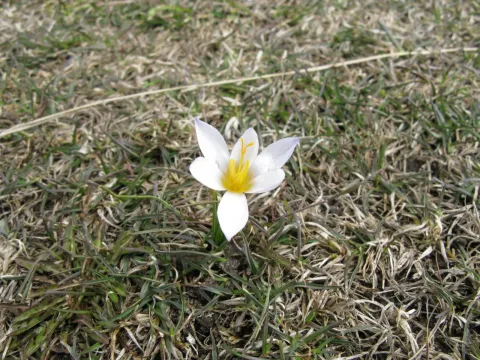
Crimean Crocus
Crocus tauricus
The Crimean Crocus (Crocus tauricus) is a perennial herbaceous plant belonging to the Iridaceae family, naturally endemic to the Crimean region.
What the section contains
Crimean Crocus
This crop thrives in well-drained, sandy, or loamy soils with a neutral or slightly alkaline pH level, requiring excellent drainage to prevent bulb rot.
It prefers sunny locations and exhibits significant drought resistance, making it suitable for rock gardens and naturalistic landscape designs.
Cultural practices include planting bulbs at a depth of 5 to 10 centimeters and ensuring a dry soil environment during the dormant summer period.
The plant is highly valued in ornamental horticulture for its early spring blooming, which adds aesthetic appeal to garden beds and containers.
Fungal diseases, particularly grey mold and Fusarium wilt, are the primary threats to the Crimean Crocus, usually triggered by excessive soil moisture.
Rodents such as field mice pose a significant risk, as they frequently consume the bulbs during the winter months, leading to loss of clusters.
Soil-dwelling larvae, such as wireworms, can damage the underground parts of the plant, predisposing them to secondary bacterial infections.
Effective management includes regular monitoring of soil moisture levels and the application of preventive fungicide treatments before the planting season.
To minimize pest damage, gardeners are advised to use wire mesh barriers or specialized planting baskets to protect the bulbs from subterranean pests.