
Colchian iris
Iris colchica
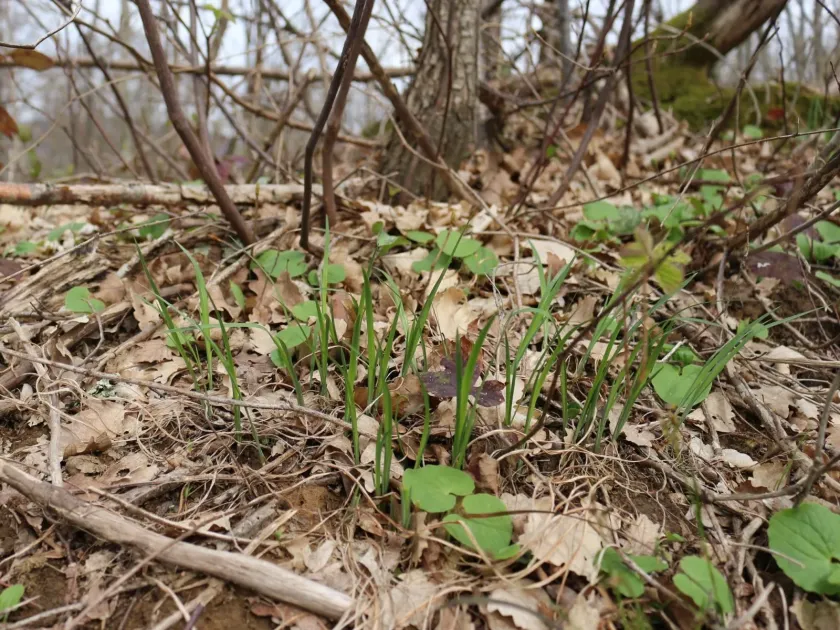
Description
Growing requirements
The Colchian iris (Iris colchica) belongs to the Iridaceae family and is a distinctive species native to the Caucasus region. It is a hardy perennial rhizomatous plant known for its striking floral features and adaptability to specific ecological niches.
In terms of habitat, this plant thrives in moist, well-drained soils found in meadows and woodland edges. In a garden setting, it requires a position with partial shade or full sun, provided the soil remains consistently moist but not waterlogged.
The cultivation requirements emphasize the importance of soil structure. The plant performs best in fertile, humus-rich soil with a neutral to slightly acidic pH level. Proper aeration is crucial to prevent the rhizome from decaying due to lack of oxygen.
Climate tolerance is a key factor for the successful growth of the Colchian iris. While it is quite resilient, it prefers areas with moderate temperatures and stable moisture levels throughout the growing season, avoiding extreme heat or long periods of drought.
Its primary use is ornamental, serving as a valuable component in landscape design and specialized botanical collections. It is highly sought after by gardeners who appreciate its unique appearance and connection to the Caucasian flora.
Main diseases and pests
Common plant diseases affecting the Colchian iris include heterosporiosis and other leaf spot fungi. Managing these requires good air circulation and the removal of infected foliage to prevent the spread of spores during wet weather conditions.
Rhizome rot is a significant risk if soil drainage is inadequate. Overwatering, especially during dormant or wet seasons, can lead to bacterial infections that compromise the plant's health. Maintaining proper soil health is the best defense against this issue.
Pests such as iris borers and thrips can cause damage by feeding on the leaves and developing buds. Routine monitoring is recommended to ensure that pest populations are kept under control before they cause substantial aesthetic or biological harm.
Integrated pest management strategies should be employed to protect the plants. This includes the use of safe insecticides if needed and biological controls such as encouraging beneficial insects that feed on garden pests.
Preventative care is essential for maintaining a healthy stand. Regularly thinning crowded plants and keeping the surrounding area free of weeds helps reduce the risk of infestation and ensures that the plants receive adequate light and nutrients.