
Crocus candidus
Crocus candidus
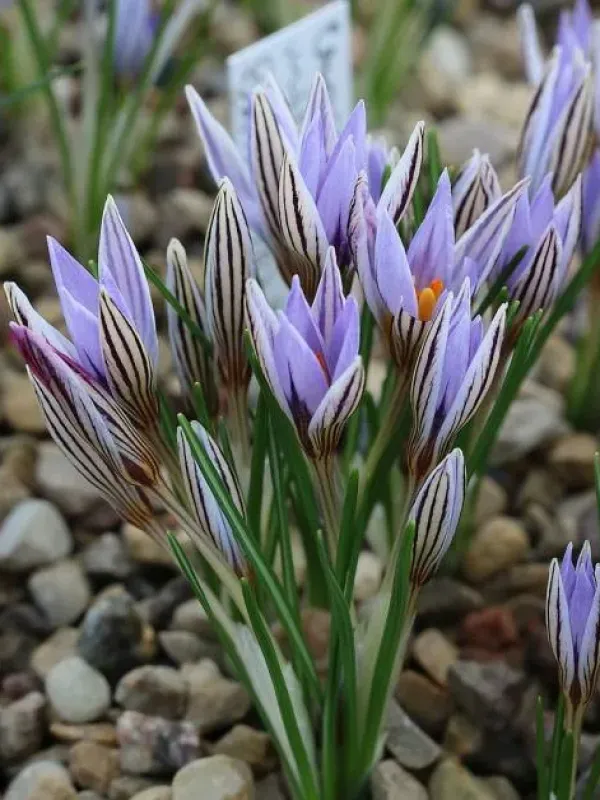
Description
Sowing dates
Planting of Crocus candidus bulbs is typically carried out in autumn, when soil temperatures drop to approximately 10–12 degrees Celsius.
The ideal time for outdoor planting is between late August and September, allowing the root system to establish itself before the onset of hard winter frosts.
Bulbs should be planted at a depth of 7–10 centimeters, maintaining a spacing of 5–10 centimeters between individual plants to ensure adequate air circulation.
For container-grown specimens, timing can be adjusted based on the desired blooming period, provided a sufficient cold-treatment duration is observed.
Selecting an appropriate site is crucial; bulbs require well-lit, sunny areas where rainwater does not pool, as drainage is a limiting factor for this species.
Growing requirements
Crocus candidus is a member of the Iridaceae family and originates from mountainous regions in Turkey, which dictates its high preference for well-draining soil.
The culture thrives in light, porous, sandy or loamy soils, preferably with a neutral to slightly alkaline pH level to support optimal nutrient uptake.
Excessive soil moisture is detrimental, as it encourages fungal growth around the bulb, often leading to rapid decay during the plant's dormant phase.
During the active growing season, regular but moderate watering is necessary; however, a dry period is essential once the foliage begins to wither.
While the species is naturally hardy, in areas with harsh winters and minimal snow cover, applying a layer of organic mulch provides necessary thermal protection.
Main diseases and pests
The primary threats to this species include various fungal rots, which are almost exclusively caused by poor soil drainage or high humidity during dormancy.
Among common garden pests, rodents such as voles pose a significant threat by consuming the bulbs, while wireworms can cause structural damage to the roots.
To mitigate disease risks, growers should use only healthy, unblemished bulbs and consider treating them with fungicides prior to autumn planting.
Regular monitoring for symptoms of viral or fungal infections allows for the prompt removal of affected plants, preventing the spread of disease within the colony.
Thrips are also a potential threat that can damage the developing foliage and flowers, necessitating integrated pest management strategies if infestations occur.
Harvesting
Although primarily an ornamental, harvesting or lifting of the bulbs is performed after the vegetative cycle ends and the foliage turns completely yellow.
Lifting the bulbs every 3 to 4 years is recommended to divide congested clumps, which prevents the individual flowers from becoming smaller over time.
After removal from the soil, bulbs should be dried in a shaded, well-ventilated area, cleaned of debris and old roots, and inspected for any signs of decay.
Storage should take place in a cool, dry, and dark environment with good air circulation to prevent sprouting or fungal growth before the next planting season.
Standardizing the harvest by bulb size allows for better nursery management and more uniform distribution when replanting for decorative or commercial purposes.