
Crocus banaticus
Crocus banaticus
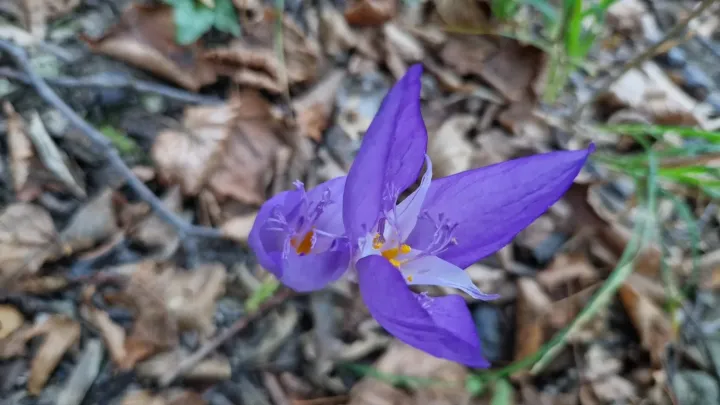
Description
Sowing dates
Crocus banaticus, a member of the Iridaceae family, is propagated primarily through vegetative means by dividing the corm clusters during the dormant phase.
The optimal time for planting the bulbs in open ground is late summer or early autumn, when the plant is in a state of physiological rest.
For seed propagation, sow the seeds in autumn immediately after collection in prepared trays, leaving them outdoors to undergo natural stratification.
The planting depth depends on the size of the corm, typically ranging from 5 to 10 centimeters, with a spacing of about 10–15 centimeters between plants.
Properly scheduled planting ensures the corms establish roots before the arrival of winter frost, which is essential for survival and spring growth.
Growing requirements
Crocus banaticus requires well-drained, fertile loamy or sandy soils with a neutral or slightly acidic pH balance to thrive throughout its life cycle.
While the species prefers sunny locations, it is naturally adapted to light shade, making it suitable for planting near deciduous trees or shrubs.
A crucial biological requirement is the absence of standing water; therefore, on heavy clay soils, it is necessary to provide a sand-based drainage layer.
The plant is generally hardy, but in regions with harsh winters lacking snow cover, applying a layer of mulch or organic matter is recommended.
During the active growth and blooming periods, it is important to maintain consistent soil moisture, avoiding both waterlogging and excessive drought.
Main diseases and pests
The primary threat to planting sites comes from rodents, specifically voles, which can cause significant damage by feeding on the corms during winter.
Inadequate soil drainage or overwatering often leads to the development of fungal pathogens, including various forms of root rot and fusarium wilt.
Slugs and snails can cause cosmetic and physiological damage to the foliage and buds during wet, humid weather conditions common in the spring and autumn.
Viral infections, characterized by leaf mottling or deformed petals, necessitate the immediate removal and destruction of affected plants to prevent spread.
Preventive measures such as crop rotation and the use of healthy, disease-free planting material are vital for maintaining a productive and ornamental garden.
Harvesting
The harvesting of corms is carried out after the foliage has fully yellowed and withered, typically signaling the end of the vegetative cycle in early summer.
Once lifted, the corms must be carefully cleaned of soil, dried in a shaded, well-ventilated environment, and sorted to remove any damaged or diseased specimens.
The cleaned planting material should be stored in a cool, dry area with proper ventilation until the appropriate time for replanting in the autumn.
Maintaining an optimal storage temperature is essential to prevent premature sprouting of the buds or the development of post-harvest storage rot.
Adherence to proper harvesting and storage techniques maximizes the vitality of the bulbs, ensuring vigorous growth and high-quality blooms in the coming season.