
Crocus cancellatus
Crocus cancellatus
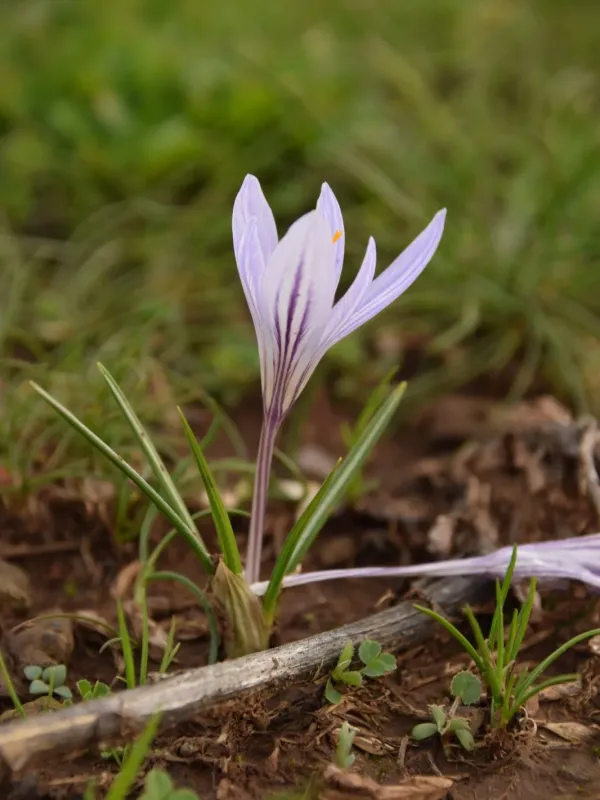
Description
Growing requirements
Crocus cancellatus is a perennial cormiferous plant belonging to the Iridaceae family, widely known for its ability to thrive in arid and rocky environments across the Mediterranean and Western Asia.
The plant exhibits a distinct seasonal rhythm, with growth occurring during cooler, moist periods and dormancy taking place during the hot, dry summer months.
Agronomically, it requires well-drained, sandy or loamy soils to prevent corm rot, which is the most critical factor for survival and proliferation in a cultivation system.
Optimal growth conditions include high solar radiation exposure, as this species is highly sensitive to shading, which significantly inhibits the development of the foliage and subsequent flowering.
Nutrient requirements are relatively modest, but consistent mineral balance is necessary during the active vegetative stage to ensure the formation of high-quality replacement corms for the next season.
Main diseases and pests
The most prevalent diseases affecting Crocus cancellatus are fungal infections such as Sclerotinia and Penicillium rot, which flourish in poorly drained or overly humid conditions.
Rodents, particularly field mice, represent a significant threat to commercial plantings, often feeding on corms during winter dormancy, which can lead to rapid yield loss.
Insect pests like the bulb mite and various thrips species can cause severe physiological stress, resulting in stunted growth and the potential transmission of viral pathogens.
Disease prevention strategies prioritize the use of disease-free planting stock and pre-plant fungicide treatments to protect the integrity of the root system.
Integrated pest management, including regular field inspections and localized treatment of affected areas, is essential to minimize reliance on broad-spectrum pesticides.