
Corsican crocus
Crocus corsicus
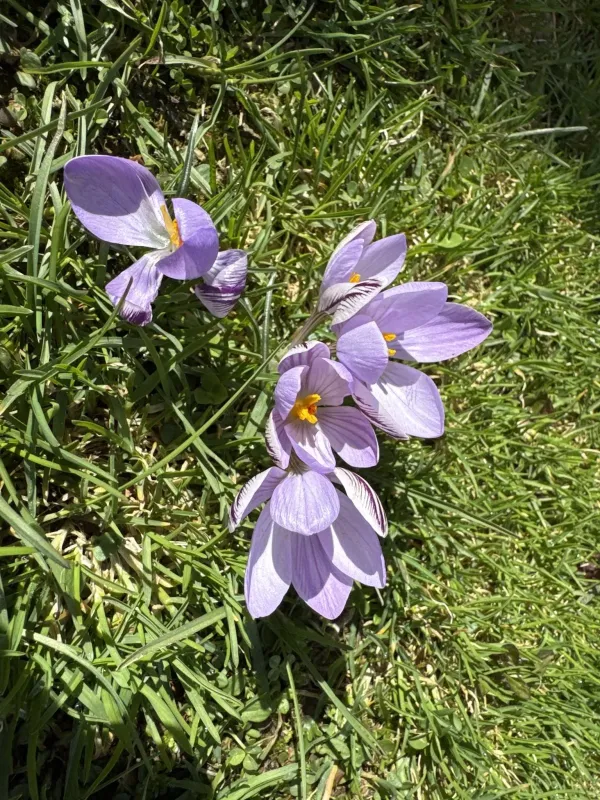
Description
Sowing dates
Corsican crocus (Crocus corsicus) is a perennial bulbous plant belonging to the Iridaceae family. The planting of corms is typically carried out in late summer or early autumn when the plant enters its dormant period.
The optimal time for planting in open ground is September, which allows the plant to establish its root system before the onset of the colder season. Planting depth generally ranges from 5 to 8 centimeters.
Spacing between plants should be approximately 10–15 centimeters to ensure adequate airflow and nutrient access. This prevents overcrowding, which is a common cause of poor blooming in subsequent seasons.
Following the planting process, the soil should be lightly watered to activate root development, but prolonged saturation must be strictly avoided to prevent rot.
Propagation is primarily achieved through corm division, which is performed during the summer dormancy phase once the foliage has completely withered and turned yellow.
Growing requirements
This species is native to Corsica and Sardinia, meaning it thrives in conditions similar to the Mediterranean climate. It requires sunny locations with excellent exposure and protection from strong, cold winds.
Well-drained soil is a non-negotiable requirement; sandy or gritty loams with a neutral to slightly acidic pH are ideal. Heavy, clay-based soils must be amended with drainage material like perlite or sand.
The plant is relatively drought-tolerant but needs consistent moisture during the spring growth period. It is crucial that the soil remains dry during the summer dormancy phase to prevent the corms from decaying.
Although it tolerates mild frost, mulching is recommended in colder regions to insulate the soil and protect the corms from extreme temperature fluctuations during the winter months.
Fertilization should be handled with care; low-nitrogen, balanced mineral fertilizers applied early in the spring are usually sufficient to support healthy flower production without promoting excessive leaf growth.
Main diseases and pests
The main threats to the Corsican crocus are fungal infections, such as gray mold and fusarium rot, which occur predominantly in damp, poorly ventilated, or waterlogged soil conditions.
These diseases often manifest as dark, mushy spots on the corm, which can quickly lead to the death of the plant. Fungicide treatments before planting are highly recommended for disease prevention.
Rodents, particularly mice and voles, are significant pests that consume the corms. Planting in protective mesh baskets or wire cages is a standard practice for protecting bulbs in open garden settings.
Wireworms can also cause damage by boring into the corm base, which weakens the plant and invites opportunistic secondary bacterial infections during the growth phase.
- Ensure optimal soil drainage.
- Use clean, disease-free planting material.
- Monitor for leaf yellowing or stunted growth in spring.
Harvesting
Harvesting or lifting of the corms is typically performed for the purpose of dividing the clumps, moving the plants, or ensuring the health of the stock. This should be done only after the foliage has died back completely.
After lifting, the corms should be cleaned, inspected, and dried in a shaded, well-ventilated area for several weeks to cure properly and allow any minor wounds to heal.
Storage should take place in a cool, dark, and dry environment with constant airflow. Proper storage conditions are critical to preventing premature sprouting or the growth of mold during the dormancy period.
For professional or nursery settings, it is essential to keep varieties labeled accurately during the lifting process to ensure the maintenance of the species' genetic purity.
Lifting and dividing the clumps every 3 to 4 years is recommended to improve the vitality of the plant and ensure that the flowers remain large and consistent in their appearance.