
Cream Crocus
Crocus ochroleucus
Description
Growing requirements
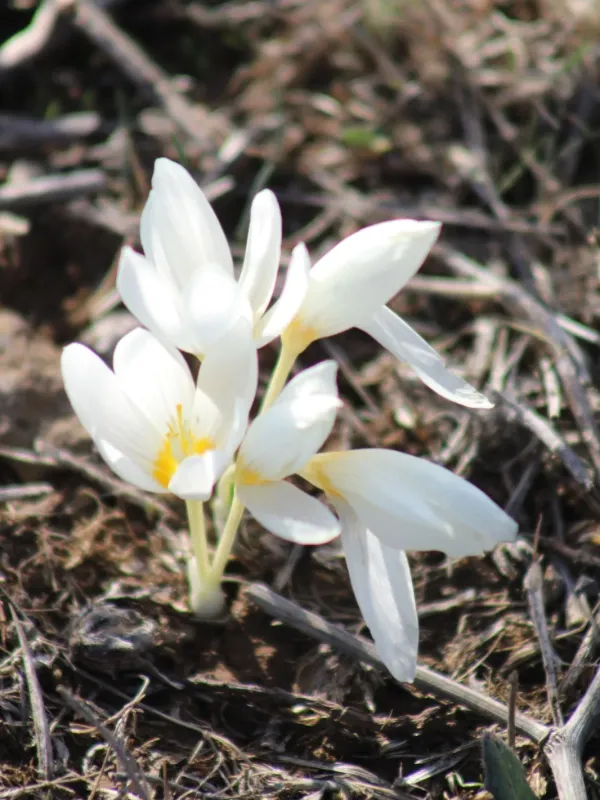
The Cream Crocus (Crocus ochroleucus) belongs to the Iridaceae family and is a distinctive bulbous plant known for its autumn-flowering habit. It is highly valued in horticulture for its ability to bring color to gardens at a time when most other species have finished blooming.
Originating from the Middle East, specifically regions in Syria, Lebanon, Israel, and Turkey, this plant is naturally adapted to rocky habitats. These wild ancestors provide the species with the toughness required for modern ornamental landscaping in dry and well-drained climates.
Optimal growth requires a sunny position and soil that offers excellent drainage. The species is highly sensitive to waterlogged conditions, which can lead to rapid bulb rot. Gardeners often incorporate grit, sand, or perlite into the planting hole to improve soil structure and water movement.
The plant demonstrates a strong preference for neutral to alkaline soils. It does not require intensive fertilization; however, a light application of a balanced granular fertilizer in early spring can help replenish nutrients used during the previous flowering cycle and support leaf development.
Temperature management is critical for the survival of Crocus ochroleucus. While it can withstand moderate frosts, providing a layer of mulch in regions with severe winters will protect the bulbs from extreme temperature fluctuations and ensure their longevity and health.
Main diseases and pests
Fungal diseases are the primary threat to this crop, particularly during wet seasons. Poor drainage exacerbates the risk of crown rot, which can destroy the bulbs. Ensuring the soil remains dry during the dormant summer phase is the most effective preventative measure against these pathogens.
Small rodents, such as voles and mice, are frequent pests that feed on the bulbs. These animals can cause significant damage, especially during the winter months. Planting bulbs inside wire mesh cages is a common and effective horticultural practice to safeguard the crop from these foragers.
Thrips and aphids can infest the foliage and flowers during the growth phase. While they rarely cause death to the plant, they can stunt growth and reduce the overall aesthetic value. Routine inspection and application of appropriate insecticides help manage these populations when infestations occur.
Viral infections can sometimes present as color breaking or mottled leaves. As these diseases cannot be cured, infected plants must be removed and destroyed immediately to prevent the spread to healthy neighboring plants by sap-sucking insects.
Weeds compete aggressively with the delicate shoots of the crocus. Consistent manual weeding is essential during the early stages of growth to ensure the plant has access to sunlight and does not become overgrown by more vigorous groundcover species.