
Cretan mountain crocus
Crocus oreocreticus
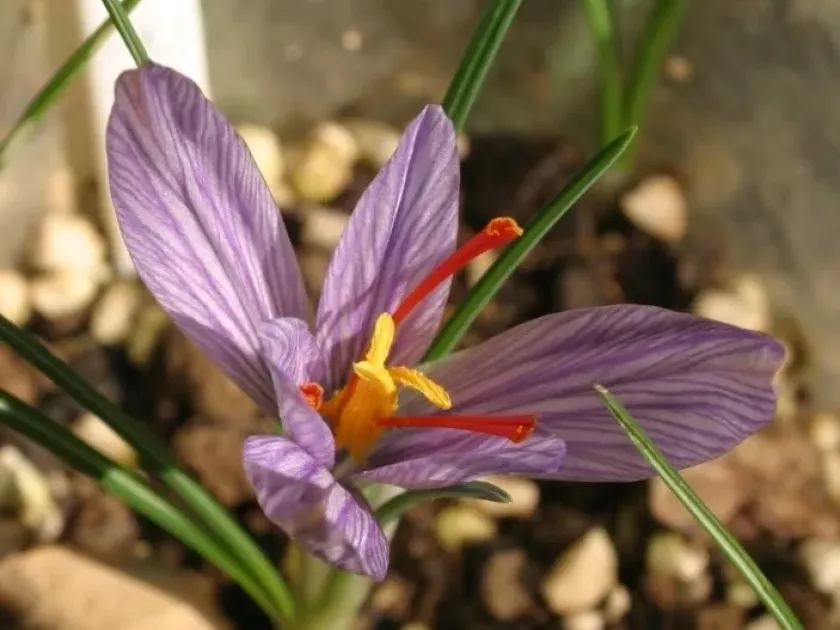
Description
Growing requirements
The Cretan mountain crocus belongs to the Iridaceae family and is native to the rocky alpine regions of Crete. It is a botanical species that thrives in challenging environments characterized by high altitude and intense sun exposure.
The plant demands extremely well-drained, gritty, or sandy soil. It cannot tolerate moisture-retentive clays, as these lead to fungal infections and the rapid decay of the corms during their dormant summer phase.
Optimal growth is achieved in full sun. Being an alpine native, it requires high levels of solar radiation to produce its delicate flowers. Providing a position with maximum southern or western exposure is essential in a garden setting.
The climatic needs are strictly Mediterranean. The plants require a moist, cool spring for active growth, followed by a hot, dry summer period where the bulbs undergo a necessary rest phase. Rainfall during the summer dormant season should be avoided.
Agrotechnical maintenance is minimal but precise. Fertilizer application should be avoided, as these plants are adapted to nutrient-poor soils. Excessive nitrogen promotes leafy growth that is prone to pests and winter damage.
Main diseases and pests
Fungal pathogens, particularly Fusarium rot and Botrytis, are the primary threats. These usually occur when the soil lacks adequate drainage. Ensuring a dry environment during the summer is the most effective preventative measure.
Small rodents, specifically voles and mice, are notorious for consuming the corms. Growers often utilize wire mesh baskets buried in the soil to protect the plants from being eaten during the winter months.
Wireworms and larvae of various beetles can bore into the corms, causing severe damage. Soil disinfection with approved systemic insecticides before planting can help mitigate this risk in areas with high pest populations.
Thrips may infest the foliage during the spring. If left uncontrolled, they can weaken the plant and reduce the vigor of the following year's blooms. Neem oil or other light insecticidal sprays are effective management tools.
Viral infections can cause discoloration of the petals. Since there is no cure for such viruses, infected specimens must be rogue and destroyed to ensure the health of the remaining population.