
Crocus adanensis
Crocus adanensis
Description
Sowing dates
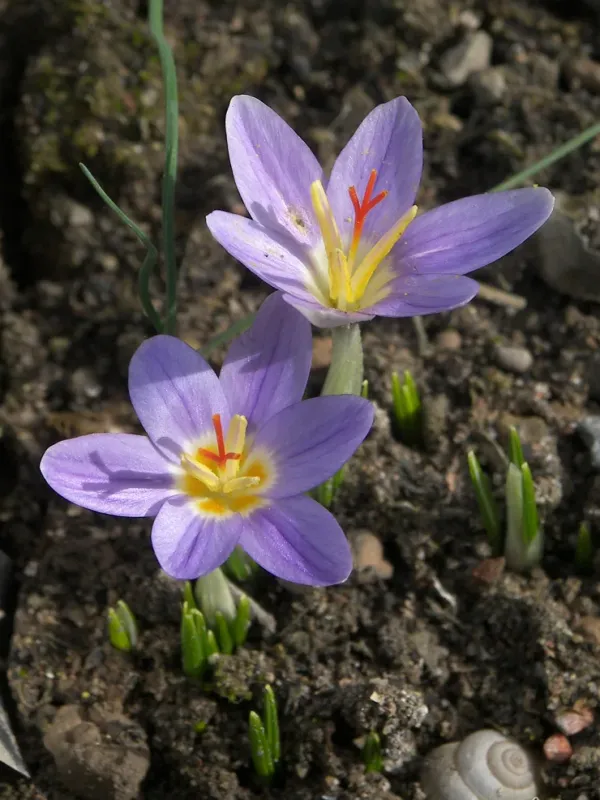
Crocus adanensis is a species of flowering plant in the Iridaceae family. Native to Turkey, it is a perennial geophyte that grows from corms, valued for its early spring appearance and delicate beauty in naturalized settings.
The optimal time for planting corms is late summer to early autumn, allowing the roots to establish before the ground freezes. Aim for a planting depth of approximately 5 to 8 centimeters to ensure the corms are insulated against extreme temperature fluctuations.
Space the corms about 5 to 10 centimeters apart. Proper spacing is essential not only for visual aesthetics but also for facilitating adequate airflow around the foliage, which reduces the incidence of fungal diseases during damp spring weather.
When propagating through division, wait until the foliage has completely yellowed and withered. This natural cycle ensures that the nutrients produced during the growing season have been fully stored in the corm, promoting vigorous growth for the next year.
Choose a site that provides good drainage to prevent the corms from sitting in water, which is a common cause of failure. Incorporating coarse sand into the bottom of the planting hole can significantly improve success rates in heavier soil types.
Growing requirements
Crocus adanensis thrives in full sun but can tolerate partial shade, provided it receives sufficient light during its active growing phase in late winter and early spring. Proper lighting is crucial for promoting strong growth and reliable blooming.
The soil should be light, well-draining, and rich in organic matter. A neutral to slightly alkaline pH is generally preferred, although the species can adapt to various soil compositions if the drainage remains excellent throughout the wet seasons.
Watering requirements are moderate during the growing season. It is vital to stop watering completely once the foliage starts to fade, as the plant enters a period of dormancy. During this time, dry soil is essential to prevent rot.
In landscaping, this species is ideal for rock gardens, borders, and naturalizing under deciduous trees. Its low growth habit makes it perfect for filling small gaps in floral displays or as a feature plant in container arrangements.
Mulching can provide valuable protection in regions with harsh winters. Applying a light layer of organic material helps maintain a stable soil temperature, preventing the ground from heaving and exposing the corms to freezing air.
Main diseases and pests
The most common threat to this species is damage from rodents. Protecting the corms with wire cages at the time of planting is a standard horticultural practice to prevent loss, as the underground parts of the plant are highly attractive to voles.
Fungal issues, such as botrytis and soft rot, are prevalent in poorly drained soils. Improving soil structure and ensuring that the planting area does not suffer from standing water are the most effective ways to mitigate these risks.
Insects like aphids and thrips can occasionally infest the foliage, especially in protected or overly crowded plantings. Regular inspection of the leaves during the growth phase allows for early intervention using appropriate pest control measures.
Viral infections can cause stunting and abnormal flower markings. Since these viruses are often spread by insect vectors, controlling aphid populations is an indirect yet necessary step in maintaining the long-term health of the crocus patch.
Always source corms from reputable suppliers to ensure they are free from mechanical damage and pathogens. Storing the bulbs in a dry, well-ventilated location prior to planting will further ensure success and minimize the risk of storage rot.