
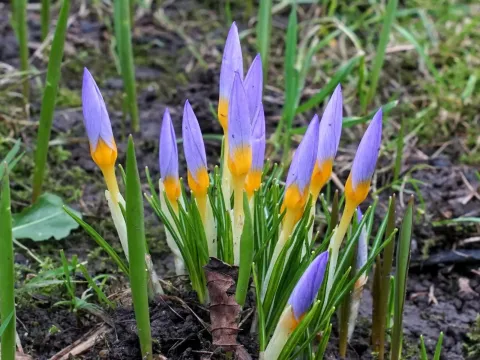
Attic crocus
Crocus atticus
Planting Attic crocus bulbs should be done in late summer or early autumn while the soil remains warm. The ideal planting window is between late August and October, ensuring the root system can establish itself before the arrival of the first hard frosts of the winter season.
What the section contains
Attic crocus
The planting depth is determined by the size of the bulb and soil texture, generally requiring 8 to 10 centimeters of depth. In heavier clay soils, planting shallower is advised, supplemented by a bottom layer of coarse sand to provide effective drainage and prevent bulb rot.
Spacing between bulbs should typically range from 5 to 10 centimeters. This density ensures that each plant receives sufficient nutrients and light, while also creating an attractive, dense floral carpet that is highly valued for early spring landscaping and garden design.
After planting, the area should be watered moderately if the autumn weather is dry. If you are growing these crocuses in containers, ensure the pots have adequate drainage holes; preventing water stagnation is the most critical factor in maintaining healthy bulbs throughout the dormant season.
Dividing the bulb clumps is recommended every 3 to 4 years once the plants become overcrowded. This process rejuvenates the stock, improves bloom quality, and provides additional offsets for propagation, which helps maintain a vigorous and productive population of the species.
Attic crocus is a member of the Iridaceae family and thrives in open, sunny locations. While it can tolerate partial shade, maximum floral intensity and plant vigor are achieved in spots that receive full sunlight for the majority of the day, mimicking its natural mountainous habitat.
The soil requirements are strict: the medium must be well-drained, airy, and light. Neutral or slightly acidic soil pH is ideal. Avoid planting in low-lying areas where melting snow or heavy rainfall might create standing water, as excess moisture is a primary cause of bulb failure.
This species is well-adapted to the seasonal temperature shifts of its native range. It exhibits strong cold hardiness, although in regions characterized by severe, snowless winters, applying a layer of mulch or organic matter can protect the bulbs from sudden deep freezes and desiccation.
As an ephemeral plant, its growth cycle is limited. Sufficient moisture is essential during the active spring growth phase, whereas the bulbs require a dry, dormant period during the summer months to store energy for the following season's development and flowering.
Fertilization should be handled carefully. Apply balanced, low-nitrogen fertilizers early in the growth stage to encourage root development and flower production. Excessive nitrogen can lead to soft, succulent growth that is more susceptible to disease and pest infestation.
Fungal diseases, such as botrytis and fusarium rot, represent the most significant threat to this crop. These pathogens thrive in damp, poorly drained environments, emphasizing the importance of selecting a well-ventilated planting site to prevent the development of root-borne infections.
Rodents, particularly mice and voles, are notorious for consuming crocus bulbs during the winter. Using specialized protective wire mesh baskets when planting is a highly effective method to prevent wildlife damage and ensure the survival of the bulb population throughout the dormancy period.
Aphids can infest developing foliage and flower buds, weakening the plant by sucking vital sap. Regular monitoring is necessary; if an infestation occurs, application of an appropriate horticultural insecticide or insecticidal soap can effectively mitigate the population before it causes damage.
Nematodes are microscopic pests that cause severe stunting and discoloration of the plants. Since soil-borne nematode control is difficult, the most reliable strategy is strict sanitation, which involves removing and destroying any plants that show symptoms of parasitic infection.
Viruses often manifest as color-breaking in the petals or mottling on the foliage. Because there are no chemical cures for viral infections, infected plants must be promptly rogued from the garden. Preventing the spread of vectors like aphids is key to keeping the remaining stock healthy.