
Abant Crocus
Crocus abantensis
Description
Growing requirements
Abant Crocus (Crocus abantensis) is a perennial bulbous plant belonging to the Iridaceae family. This species is native to the mountainous regions of Turkey, specifically around Lake Abant, where it thrives in alpine meadow environments.
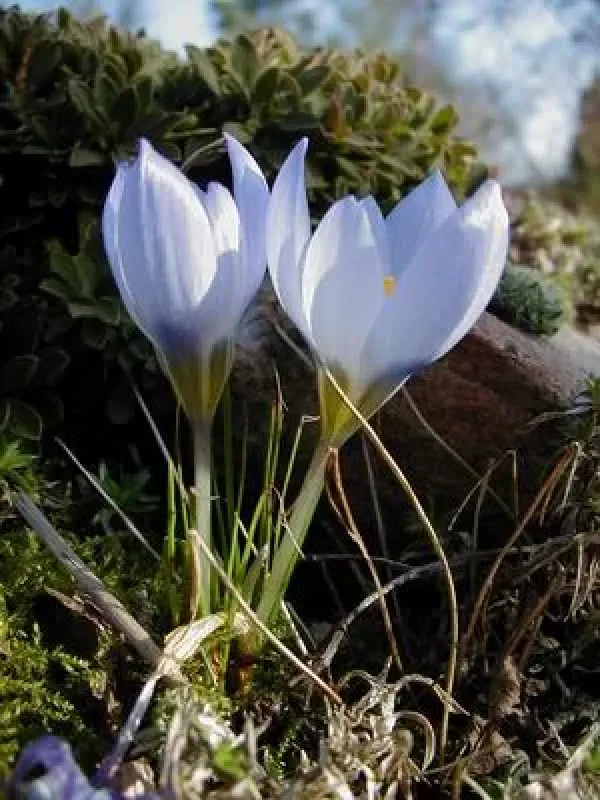
Botanically, it is recognized by its delicate, sky-blue to violet-colored flowers, which often feature a prominent yellow throat. The plant produces slender, grass-like leaves with a distinctive white stripe running down the center, which emerge in early spring to complement the bloom.
The culture requires well-drained, sandy, or loamy soil with a neutral pH level. Proper soil drainage is the most critical factor in successful cultivation, as waterlogged conditions in the dormant period can easily lead to bulb rot.
This crocus thrives in locations with full sun to light shade. It is highly valued for its cold hardiness, adapting well to a variety of temperate climates where it can experience a proper dormant season after the completion of its spring growth cycle.
In terms of agricultural and horticultural use, it is a staple of rock gardens and alpine beds. Its ability to naturalize well makes it a popular choice for gardeners looking to create low-maintenance, colorful displays in spring landscapes.
Main diseases and pests
Fungal pathogens represent the primary threat to this species, with root rot and botrytis blight being the most common diseases caused by excessive soil humidity.
Small rodents such as voles and mice are significant pests that frequently consume the subterranean bulbs, necessitating the use of protective mesh or cages during the planting process.
Various soil-dwelling insect larvae, including wireworms, can damage the roots and bulbs, potentially leading to plant death if the infestation is severe.
Thrips are common pests that feed on the foliage and flower buds, which can result in stunted growth and discolored blossoms if not managed correctly.
Maintaining a healthy environment through proper spacing, ensuring adequate ventilation around the plants, and using disease-free planting material are essential steps for protecting this species.