
Babiana villosa
Babiana villosa
Description
Growing requirements
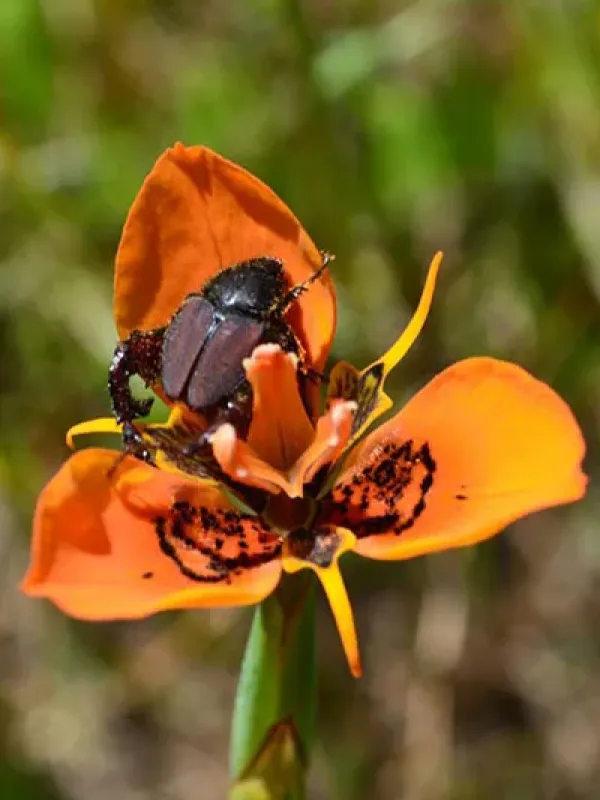
Babiana villosa is a stunning perennial bulbous plant belonging to the Iridaceae family. Native to the diverse landscapes of South Africa, it is widely recognized for its characteristic hairy foliage and vibrant, funnel-shaped flowers that bloom in late spring and early summer.
The plant requires well-draining, sandy or loamy soils to thrive. It is highly intolerant of waterlogged conditions, as moisture retention in the root zone quickly leads to bulb rot. Integrating sand or gravel into the planting substrate is essential to ensure adequate drainage and healthy root development.
Exposure to full sunlight is critical for Babiana villosa. In their natural habitat, these plants receive intense light, which promotes compact growth and prevents the stems from becoming weak or leggy. Proper spacing between bulbs is also recommended to allow for optimal airflow and prevent competition for nutrients.
Regarding climate, this species prefers a Mediterranean-style pattern with active growth during cool, moist periods and complete dormancy during dry, hot summers. In regions with freezing winters, bulbs must be lifted and stored in a cool, dry place to prevent frost damage to the plant's delicate tissues.
Regular maintenance involves moderate watering during the active growth phase and cessation of watering once the foliage begins to yellow. Adding a balanced fertilizer during the early stages of shoot development can help improve the plant's vigor and increase the rate of bulb reproduction.
Main diseases and pests
Fungal diseases represent the most significant threat to Babiana villosa. Pathogens such as Botrytis (gray mold) and various soft rots are common, especially when humidity levels remain high or soil drainage is insufficient. Fungicidal treatments should be applied preventively during periods of high rainfall.
Insect pests, including spider mites and thrips, frequently target the foliage and flower buds. These pests can be managed through the application of selective acaricides or systemic insecticides, as well as by maintaining a clean growing environment free of dried plant debris where pests might overwinter.
Root-knot nematodes can cause significant damage to the bulb structure, resulting in stunted plant growth and overall decline. Implementing crop rotation and using sterile potting soil in greenhouse or container environments are effective ways to mitigate the risk of nematode infestation.
Slugs and snails can consume young, tender leaves in the early spring, causing aesthetic damage. The use of physical barriers, such as copper tape or crushed eggshells around the planting site, can help protect the plants without the need for harsh chemical molluscicides.
While viruses are less common than fungal issues, they can severely compromise plant health. Indicators such as irregular color streaking or mottled leaves suggest viral presence, necessitating immediate removal and destruction of the affected plants to prevent spread to the rest of the collection.