
Acidanthera
Acidanthera
Description
Sowing dates
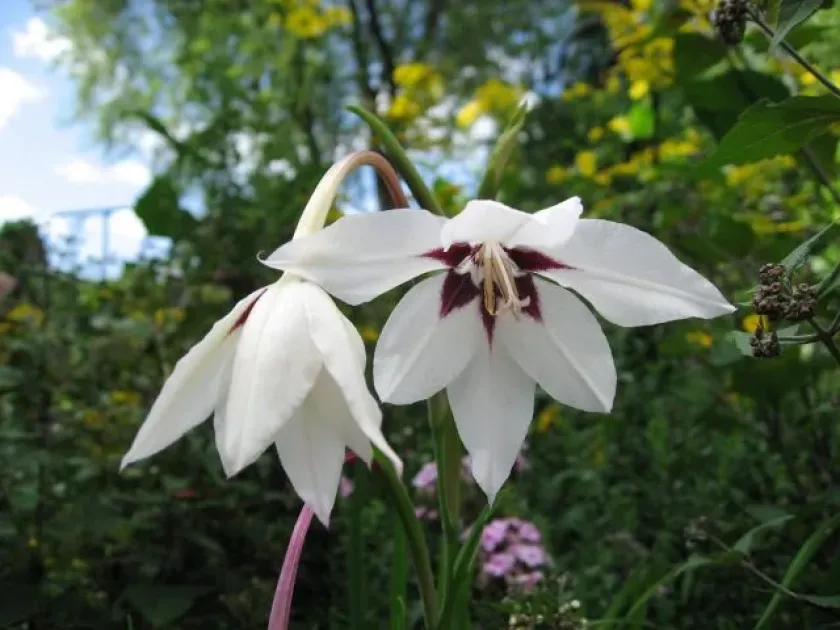
Acidanthera, scientifically known as Gladiolus murielae or Abyssinian Gladiolus, is a member of the Iridaceae family. This bulbous perennial is prized for its elegant, white star-shaped flowers and intense, sweet fragrance that blooms in late summer.
Planting typically occurs in late spring once the danger of frost has passed and the soil temperature has consistently reached at least 12°C. As a tropical native to East Africa, the plant requires significant warmth to initiate vigorous root development.
For regions with shorter growing seasons, starting bulbs in pots indoors about a month before the final frost date is highly recommended. This ensures that the plants are well-established and ready to bloom before the temperatures drop again in autumn.
When planting in open ground, bulbs should be set at a depth of 10–12 cm, with 20–25 cm of spacing between each plant. This spacing is vital for air circulation, which helps manage humidity levels and prevents the development of fungal diseases among the foliage.
Choosing the right location is crucial; Acidanthera thrives in full sun but benefits from protection against strong, gusty winds that could break the long, slender flower stalks. If grown in containers, place them in the sunniest spot available in the garden.
Growing requirements
Acidanthera requires well-draining, fertile soil, ideally with a neutral to slightly acidic pH. Heavy clay soils that retain excess water are prone to causing bulb rot, so incorporating sand or organic compost is necessary to improve drainage structure.
Consistent moisture is key during the active growing phase. Water regularly, ensuring the soil remains moist but never waterlogged. As the flowering season approaches, ensure consistent irrigation to support the development of the high-reaching flower spikes.
Fertilization with a balanced, low-nitrogen liquid fertilizer every few weeks during the vegetative phase promotes healthy leaf growth. Once flower buds begin to appear, switching to a high-potassium formula will enhance the intensity and size of the blooms.
The plant is highly sensitive to cold and does not tolerate freezing temperatures. As a tropical species, it thrives in warm temperatures between 20–25°C. Any significant drop in temperature during the growing season can cause growth to stall significantly.
Regular maintenance including light hoeing of the soil surface to remove weeds is recommended. Weed control prevents competition for nutrients and ensures the plant directs all its energy towards developing the blooms and the new replacement bulb for the following year.
Main diseases and pests
Thrips are the most common pest affecting Acidanthera. These tiny insects feed on foliage and buds, causing silver streaking and preventing the flowers from opening correctly. Using insecticidal soap or systemic insecticides can help manage infestations effectively.
Fungal diseases like fusarium wilt and various rot types can affect bulbs, especially when stored improperly or planted in overly wet soil. Ensuring adequate drainage and treating bulbs with a fungicide before planting are the best preventative measures.
Viral infections, such as mosaic virus, can occasionally strike, identified by mottled or yellowing patterns on leaves. Unfortunately, there is no cure for such viruses, and the only recourse is to remove and dispose of the infected plant to protect others.
Red spider mites may appear during periods of high heat and low humidity. Regularly misting the plants or increasing local humidity levels can deter mites, while neem oil serves as an effective organic treatment if an infestation is detected early.
Proper sanitation in the garden is critical. Removing plant debris at the end of the season reduces the habitat for overwintering pests. Always inspect bulbs before planting, discarding any that show signs of soft spots, discoloration, or mold growth.
Harvesting
Harvesting bulbs is essential before the first frost in autumn. As the foliage begins to yellow and die back, carefully lift the bulbs from the ground using a pitchfork, being cautious not to damage the bulb or the basal plate.
After lifting, clean off excess soil and trim the stems back to about 2 cm above the bulb. Separate the small bulblets (offsets) from the main bulb; these can be stored separately and grown on to maturity over the next few seasons.
Drying or curing the bulbs is a mandatory step before storage. Spread them in a warm, dry, and well-ventilated location away from direct sunlight for about two weeks to allow the outer skins to toughen, which protects them from fungal infections.
For winter storage, pack the bulbs in paper bags, peat moss, or wooden crates with good ventilation. Keep them in a cool, dry place at a steady temperature between 10–15°C. Avoid damp basements, as humidity encourages rot.
Perform monthly inspections of the stored bulbs to ensure none have started to decay. If any bulb shows signs of rot, remove it immediately to prevent the disease from spreading to the rest of the collection, ensuring a healthy start for next spring.