
Babiana fragrans
Babiana frangrans
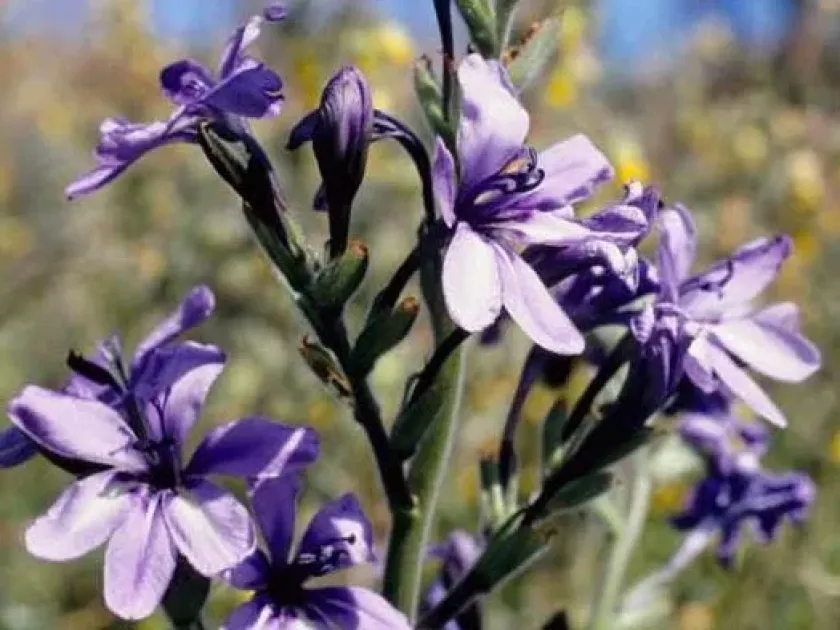
Description
Sowing dates
Planting Babiana fragrans outdoors should occur in late spring, once the soil has warmed up sufficiently and all risk of frost has passed.
For most temperate regions, the optimal planting time is mid-May, which ensures the soil temperatures are conducive to root establishment.
Gardeners aiming for earlier blooming often begin by forcing bulbs in indoor containers starting in March, transferring them outdoors later in the season.
The bulbs should be planted at a depth of 5 to 8 centimeters in well-prepared, loose soil to facilitate proper shoot development and stability.
Maintaining proper spacing of 10 to 15 centimeters between plants is essential to ensure adequate airflow and prevent the development of common diseases.
Growing requirements
Babiana fragrans belongs to the Iridaceae family and thrives in full sun exposure, which is necessary for vigorous growth and vibrant flowering.
The plant requires soil that is light, well-drained, and rich in organic matter to prevent water accumulation near the bulbous rootstock.
A neutral to slightly acidic soil pH is preferred for this species, ensuring optimal nutrient availability throughout the vegetation cycle.
Regular irrigation is needed during the active growth period, but careful monitoring is required to prevent waterlogged conditions which are fatal.
As this species is not winter-hardy in most climates, the bulbs must be lifted from the ground and stored in a frost-free area before the onset of winter.
Main diseases and pests
The primary threats to Babiana fragrans include various fungal pathogens that flourish in environments with poor drainage and excessive humidity.
Pests such as spider mites and thrips can significantly damage the foliage and flowers, particularly when the ambient air is too dry and warm.
- Basal rot, caused by stagnant moisture around the bulb.
- Aphids, which congregate on soft growth and impede plant health.
- Bulb mites, which can destroy the interior of the bulb during storage.
Proactive disease management involves treating bulbs with fungicides before storage and ensuring clean, well-ventilated conditions throughout the dormancy phase.
Monitoring the plants for early signs of infestation and using biological or chemical controls can prevent widespread damage to the floral display.
Harvesting
The harvest of Babiana bulbs is performed in autumn once the foliage has naturally withered, indicating that the bulbs have completed their energy storage.
After excavation, the bulbs should be carefully cleaned of soil, separated from offsets, and allowed to air-dry in a shaded, ventilated area.
Effective storage requires a cool and dry environment, ideally kept between 10 and 12 degrees Celsius, to maintain bulb viability until the next spring.
During the winter storage period, it is important to periodically check the bulbs for any signs of mold, desiccation, or secondary infections.
Proper harvest and post-harvest handling are critical for ensuring the longevity of the bulbs and promoting high-quality growth in the following season.