
Babiana vanzyliae
Babiana vanzyliae
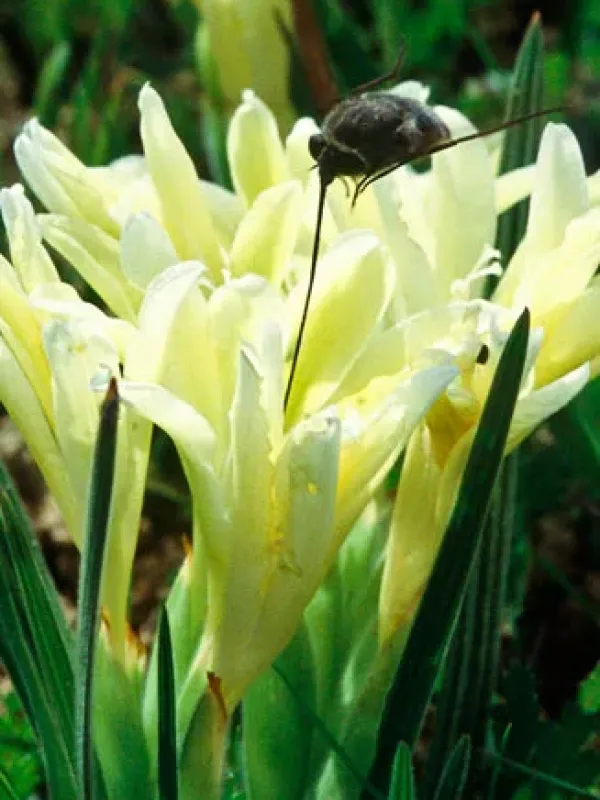
Description
Growing requirements
Babiana vanzyliae is a distinct bulbous species belonging to the Iridaceae family. Native to the Cape region of South Africa, this plant has adapted to specific ecological niches, thriving in well-drained, sunny habitats.
Botanically, it is characterized by its pleated and hairy foliage, which helps the plant withstand the high solar exposure typical of its native environment. It produces attractive flowers that display the classic morphology of the genus.
For successful cultivation, the plant requires high levels of light. If grown in non-native climates, it is best suited for greenhouses or well-lit conservatory conditions where light intensity can be maximized.
The substrate must mimic its natural conditions. A sandy, porous mix is essential to ensure that water drains away quickly from the bulb, preventing the risk of root rot during the active growing season.
Temperature management is equally crucial. The plant undergoes a distinct cycle of growth followed by a dry dormancy period, which must be strictly respected to encourage the bulb to bloom in the following season.
Main diseases and pests
The most significant threat to Babiana vanzyliae is fungal infection resulting from improper soil moisture management. Soggy soil conditions rapidly cause the bulbs to succumb to rot, often leading to total loss of the specimen.
Insect pests such as thrips and spider mites can infest the leaves and stems, especially in indoor environments where humidity might be insufficient or stagnant air allows for rapid pest population growth.
To mitigate these threats, growers should utilize well-ventilated spaces and ensure that the irrigation schedule is adjusted based on the current stage of the plant's life cycle.
Preventative fungicide treatments applied to the bulbs before planting can provide a protective barrier against soil-borne pathogens common in greenhouse settings.
Regular visual inspections are recommended to spot any early signs of discoloration or wilting, allowing for immediate corrective actions such as isolating the affected plant or adjusting the water input.