
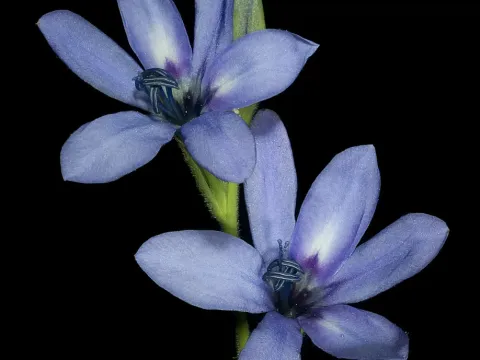
Babiana
Babiana
Planting Babiana bulbs outdoors should take place in the spring once the soil temperature has consistently reached at least 10-12 degrees Celsius.
What the section contains


Babiana
The recommended planting depth is approximately 5-8 centimeters, ensuring the bulbs are placed in well-draining, loose soil to promote healthy root establishment.
Space the bulbs 10-15 centimeters apart to allow for proper foliage development and to prevent excessive humidity around the base of the plant.
In regions with cooler spring temperatures, it is advisable to start the bulbs in pots indoors and transplant them once the frost risk has passed.
When cultivating in containers, ensure the pot has adequate drainage holes, as stagnant water is the primary cause of bulb failure in this genus.
Babiana is a member of the Iridaceae family and originates from Southern Africa, requiring a bright, sunny location to thrive and produce its signature flowers.
The ideal soil is gritty and well-draining, similar to the plant's native sandy habitat, preventing any waterlogging that could lead to root decay.
During the active growing season, provide regular but light watering, allowing the substrate to dry out partially between watering sessions.
Temperature management is critical; these plants prefer warm conditions during the day and cooler nights to mimic their natural climatic environment.
Since Babiana is not frost-tolerant, all outdoor plantings must be lifted from the ground before winter to prevent damage from freezing temperatures.
The most common issues for Babiana involve fungal pathogens such as botrytis and fusarium, which are often triggered by poor ventilation and wet soil.
Pests such as aphids and thrips can infest the foliage, leading to stunted growth and discolored leaves if not managed early in the season.
Effective pest and disease control includes sourcing healthy bulbs, treating them with systemic fungicides, and monitoring foliage regularly.
Avoid overhead watering to keep the leaves dry, as moisture accumulation on the foliage promotes the spread of fungal spores.
Maintaining a clean garden environment by removing dead plant debris helps minimize the population of overwintering pests and disease vectors.
The harvest phase begins when the foliage turns yellow and dies back, indicating the plant has entered its natural period of dormancy.
Carefully lift the bulbs using a garden fork, being mindful not to nick the outer skins, which serves as a protective barrier during storage.
After lifting, allow the bulbs to cure in a dry, shaded area for several days to ensure that all residual moisture has evaporated from the tunic.
Store the cleaned, dry bulbs in breathable bags or boxes filled with peat or sand, kept in a cool, dark location around 10-12 degrees Celsius.
Regular inspection of stored bulbs is necessary to ensure they remain firm and free from rot until the next planting season begins.