
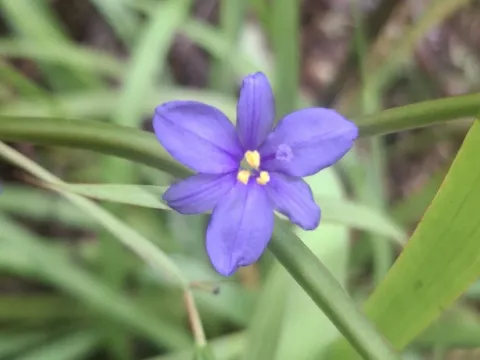
Aristea
Aristea
Sowing Aristea seeds is best accomplished in early spring once the danger of frost has passed and soil temperatures become stable for germination.
What the section contains


Aristea
For optimal results, growers often use a seed tray method, starting the seeds indoors during late winter to ensure stronger initial development.
Seeds should be sown on the surface of the soil rather than buried deeply, as light is a critical factor for the germination process of this genus.
Once seedlings have reached the two-leaf stage, they should be carefully pricked out into individual pots to avoid root competition.
Maintaining a consistent environment with a temperature of around 20 degrees Celsius is essential until the seeds successfully sprout.
Aristea belongs to the Iridaceae family and is native to southern Africa, which dictates its specific physiological preferences for cultivation.
This plant thrives in sunny locations with well-draining, nutrient-rich soil that mimics its natural habitat conditions of rocky slopes or grasslands.
Watering should be managed with care; while the plants require consistent moisture during the growing season, they are highly sensitive to waterlogging.
Since most species of Aristea are not cold-hardy, it is common practice to grow them in containers to facilitate winter protection in frost-free areas.
Minimal fertilizing is required, but a balanced liquid fertilizer applied during the peak growth phase can encourage more prolific flowering.
Root rot is the primary threat to Aristea, usually triggered by excessive moisture retention in the soil or insufficient drainage in the planting area.
Pests such as aphids and spider mites can attack the foliage, especially when the plants are maintained in greenhouses or indoor environments.
To manage these issues, gardeners should monitor the plants closely and employ integrated pest management strategies at the first sign of infestation.
Ensuring proper air circulation around the plants is a key preventive measure against fungal pathogens that thrive in stagnant, humid conditions.
If chemical intervention is necessary, select products labeled for ornamental plants and apply them strictly according to the manufacturer's directions.