
Nautilocalyx lynchii
Nautilocalyx lynchii (Hook. f.) Sprague
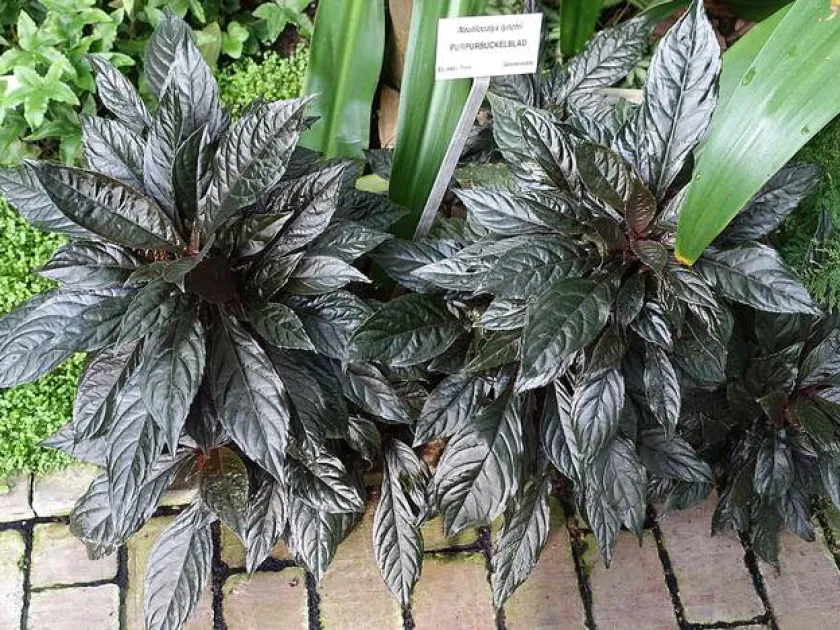
Description
Growing requirements
Nautilocalyx lynchii is a captivating plant belonging to the Gesneriaceae family, recognized for its striking, often dark-pigmented foliage. Native to the humid rainforests of South America, this species thrives in sheltered, shaded environments with consistently high humidity levels.
The optimal temperature range for the cultivation of this species is between 20°C and 25°C. It is highly sensitive to cold drafts and temperatures dropping below 18°C, which can cause significant physiological stress and cessation of vegetative growth.
Soil requirements for this culture involve a well-draining, lightweight, and peat-based medium. Incorporating perlite or vermiculite is essential to ensure adequate root aeration while maintaining the moisture levels necessary for the plant's succulent-like stems.
Light management is a critical factor; Nautilocalyx lynchii requires bright, indirect light to maintain its characteristic coloration and dense habit. Excessive direct sunlight can cause thermal damage to the leaf surface, leading to bleaching and necrosis.
Maintaining a humidity level of 60% or higher is vital for the physiological well-being of the plant. Since the foliage is often pubescent (covered in fine hairs), overhead watering should be managed carefully to prevent trapping water on the leaves, which could invite pathogen growth.
Main diseases and pests
The most prevalent pests affecting Nautilocalyx lynchii are spider mites and mealybugs. These organisms typically proliferate when the plant is kept in environments with low humidity, causing damage by sucking nutrients from the foliage.
Over-irrigation is the primary cause of fungal diseases, particularly Phytophthora and Pythium root rots. These infections spread rapidly in compacted or saturated soil, often leading to the sudden collapse of the stems and roots.
Effective management includes the use of systemic insecticides or biological control agents for pest suppression. For fungal issues, improving drainage and ensuring adequate air circulation around the canopy are the most effective non-chemical interventions.
Regular sanitation of the growing environment and proper spacing between plants are key preventive measures. Keeping the area clean helps reduce the risk of secondary infections and allows for easier monitoring of pest populations.
Timely removal of damaged or decaying leaves is recommended to improve airflow and prevent potential fungal colonization. Monitoring the underside of leaves and growing tips is essential for detecting early signs of infestation.