
Lysionotus sangzhiensis
Lysionotus sangzhiensis W. T. Wang
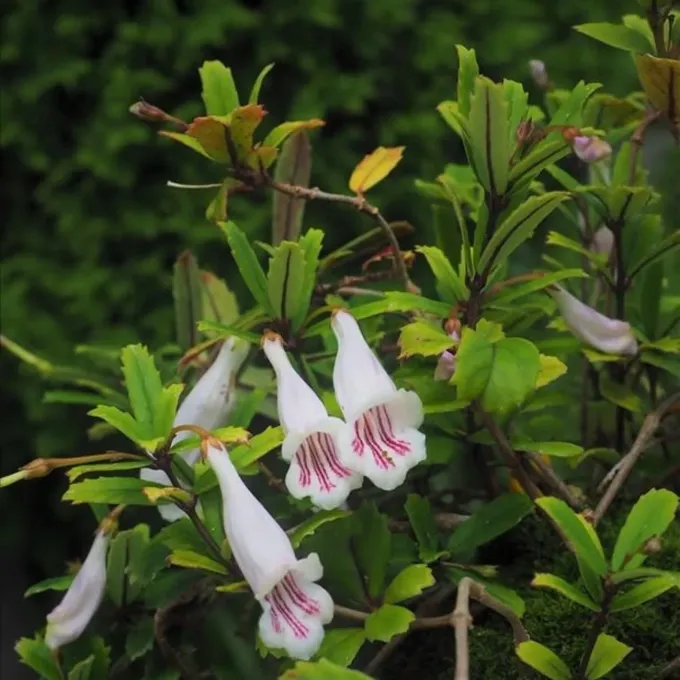
Description
Growing requirements
Lysionotus sangzhiensis is a distinguished member of the Gesneriaceae family, known for its unique growth habit and aesthetic appeal. Originally discovered in the Sangzhi region of China, this species is typically found growing on rocks or trees in moist, shaded mountain forests.
Botanically, it is a perennial plant characterized by thick, leathery leaves and tubular, ornate flowers that serve as a hallmark of the Lysionotus genus. Its morphology allows it to thrive in nutrient-poor but moisture-rich environments, typical of epiphytic habitats.
In a cultivated setting, the plant requires high relative humidity, ideally above 70%, to maintain leaf turgor and healthy physiological processes. It is vital to replicate its natural environment by providing a stable microclimate without extreme temperature fluctuations.
A coarse, well-draining substrate is essential for the health of its root system. A mixture of orchid bark, perlite, and high-quality peat moss ensures adequate aeration, which is necessary to prevent the root rot commonly associated with more compact soil structures.
Light intensity should be kept moderate. Bright, indirect light is optimal for photosynthesis and flower production, whereas direct sun exposure must be strictly avoided to prevent phototoxicity and leaf scorch, which can severely damage the plant's appearance.
Main diseases and pests
The primary threats to Lysionotus sangzhiensis in cultivation include fungal pathogens that thrive in stagnant, damp conditions. Species such as Fusarium or Rhizoctonia can rapidly affect the stem base if drainage is inadequate.
Pests like spider mites pose a constant risk, particularly during winter months when indoor heating reduces air humidity levels. Regular misting can help prevent mite outbreaks but should be balanced with adequate ventilation to deter fungal growth.
Mealybugs are another common challenge, often hiding in the dense foliage of the plant. Manual removal combined with biological control or horticultural oil treatments is usually effective if caught in the early stages of infestation.
Cultural stress, often caused by inconsistent watering or improper fertilization, can make the plant more susceptible to opportunistic infections. Monitoring the pH of the irrigation water is also recommended to prevent nutrient lockout.
Proper sanitation practices, including removing dead foliage and sterilizing growing media, are critical components of a successful integrated pest management strategy for this delicate species.