
Lysionotus
Lysionotus pauciflorus x Lysionotus sangzhiensis
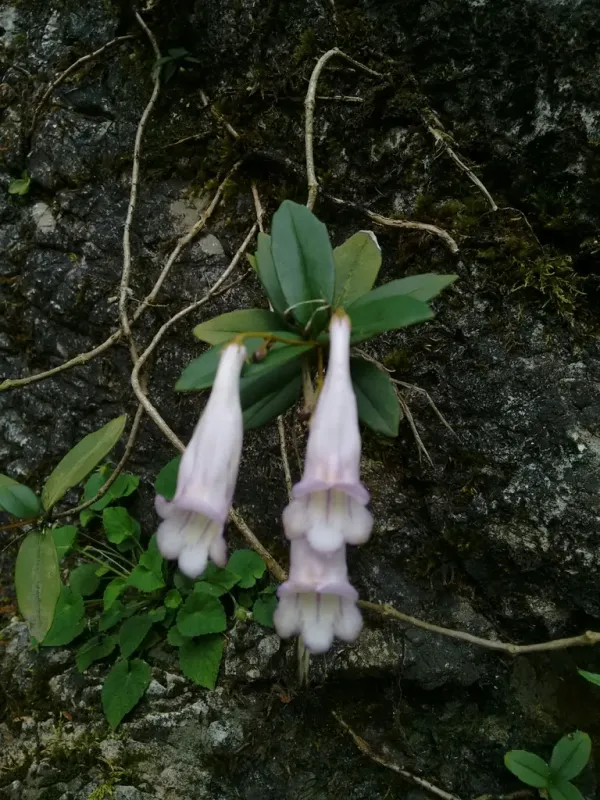
Description
Growing requirements
Lysionotus is a distinguished genus within the Gesneriaceae family. These plants are native to the mountainous regions of Eastern Asia, typically occurring as epiphytes or lithophytes in humid forest environments.
Cultivation requires conditions that mimic the natural habitat, specifically high humidity levels and indirect light. Bright, direct sunlight is detrimental to the plant, causing leaf bleaching and scorching of the delicate foliage.
The choice of growing medium is critical. A well-draining, airy substrate is necessary to prevent root rot. Enthusiasts often use mixes containing peat moss, perlite, and orchid bark to ensure the roots remain oxygenated.
Watering frequency should be adjusted based on ambient humidity and plant growth stage. It is vital to keep the substrate consistently moist but never waterlogged, as stagnant water is a primary cause of physiological decline in this genus.
Temperature management should focus on stability. Lysionotus species generally prefer temperate to sub-tropical conditions, thriving in environments where temperatures stay within the 18–22 degrees Celsius range throughout the growing season.
Main diseases and pests
Fungal pathogens are the most significant threat to Lysionotus, particularly root and stem rots caused by excessive moisture. Proper air circulation within the greenhouse is essential to inhibit the development of these infections.
Spider mites are a recurring challenge, especially during periods of lower air humidity. They colonize the underside of leaves, causing yellowing and webbing, which can lead to rapid decline if left unchecked.
Mealybugs and aphids may also infest the plants, particularly targeting new growth and flower buds. These pests extract sap, weakening the plant and potentially transmitting secondary viral diseases.
Integrated Pest Management (IPM) is the recommended approach for maintaining healthy collections. Regular monitoring, combined with physical removal of pests, reduces the need for heavy chemical intervention.
When applying fertilizers or pesticides, it is crucial to use reduced concentrations, as members of the Gesneriaceae family can be sensitive to chemical salt accumulation and concentrated active ingredients in standard horticultural products.