
Lysionotus pauciflora
Lysionotus pauciflora Maxim.
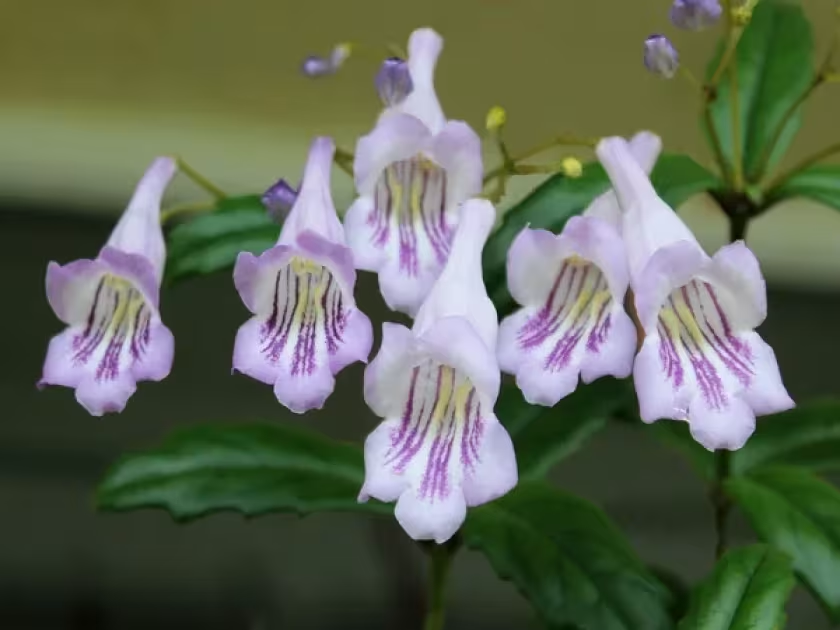
Description
Growing requirements
Lysionotus pauciflora is an ornamental plant species belonging to the Gesneriaceae family. Known for its trailing habit and elegant tubular flowers, it is highly appreciated by indoor plant enthusiasts who favor unique, epiphytic-like flora.
Originating from the subtropical regions of East Asia, particularly Japan and China, this plant has adapted to shaded environments. It typically grows on rock faces and tree trunks, where humidity levels are high and light is filtered by the forest canopy.
To cultivate this species successfully, one must maintain an environment with high atmospheric humidity. A greenhouse or a terrarium setup is often preferred, as these structures allow for better control over moisture levels, which are critical for the plant's health.
The growing medium should be coarse, well-draining, and rich in organic matter. A mixture consisting of orchid bark, peat moss, and perlite provides the necessary structure to keep roots aerated while retaining sufficient moisture for growth.
Light requirements for Lysionotus pauciflora involve bright, indirect exposure. Direct sun causes leaf scorching and can weaken the plant's physiological processes, leading to stunted development and susceptibility to environmental stress.
Main diseases and pests
Pathogens associated with this culture are primarily related to improper irrigation practices. Overwatering leads to root rot and collar rot, which can cause the sudden collapse of the stems if soil drainage is compromised.
Insect pests such as mealybugs and spider mites are the most significant threats in artificial environments. These pests feed on sap, leading to yellowing of the leaves, premature drop, and an overall decline in plant vigor.
Fungal issues like powdery mildew may arise if air circulation is insufficient. Ensuring proper space between individual plants and maintaining a steady flow of fresh air is essential for preventing these fungal outbreaks.
Control measures involve a combination of biological and chemical approaches. Neem oil or mild horticultural soaps are often effective against soft-bodied pests, while specific fungicides are necessary for managing persistent fungal growth.
Regular monitoring of the plant's condition is the foundation of successful crop protection. Identifying symptoms early, such as leaf discoloration or webbing, allows for quick intervention and prevents total loss of the specimen.