
Diastema vexans
Diastema vexans
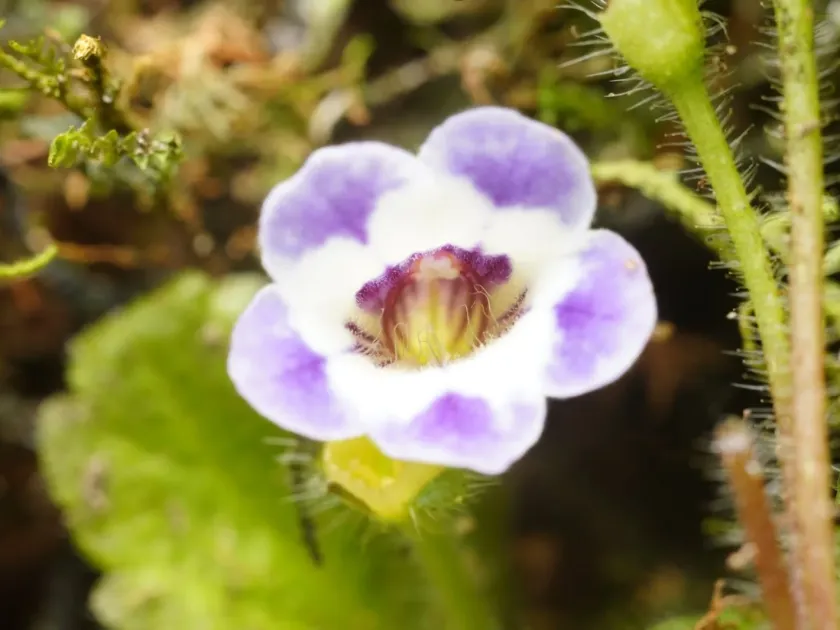
Description
Sowing dates
Propagation of this culture is most commonly achieved through seeds in protected ground or greenhouse environments. Seeds are sown in a light, breathable substrate based on peat and perlite.
The optimal time for sowing is during the spring season when the daylight hours begin to increase significantly. The temperature should be maintained between 22 and 25 degrees Celsius for germination.
Seedlings emerge relatively slowly, so it is important to monitor soil moisture levels closely, avoiding waterlogging. After the first pair of true leaves appears, plants are transplanted.
To accelerate growth, seedlings are often supplemented with grow lights, providing about 12–14 hours of light daily. This helps in developing a strong root system before final planting.
In vegetative propagation, cuttings are rooted in water or a moist substrate under high humidity conditions, ensuring a high percentage of successful plant establishment.
Growing requirements
Diastema vexans belongs to the Gesneriaceae family and requires diffused light, avoiding direct sunlight. Excessive UV radiation can cause burns on the delicate leaf surfaces.
The culture prefers loose, slightly acidic to neutral soils rich in organic matter. It is essential to provide good drainage, as water stagnation at the roots is detrimental.
Humidity is a critical parameter for development. In greenhouse environments, it is recommended to maintain humidity levels at 70–80% to prevent leaf curling and stress.
The temperature optimum for vegetation ranges from 18 to 24 degrees Celsius. The plant is extremely sensitive to sudden temperature fluctuations and drafts which cause bud drop.
Watering should be regular and moderate, using soft, room-temperature water. During the active growth period, the culture is supplemented with complex mineral fertilizers.
Main diseases and pests
Among pests, spider mites and thrips pose the greatest threat to the culture, as they multiply rapidly in conditions of low humidity.
Mealybugs can also infest leaf axils, sucking sap and weakening the plant's overall health. Systemic insecticides are recommended for effective control.
Fungal diseases, such as gray mold, often occur due to improper watering regimes and poor ventilation. Prevention consists of removing infected parts.
Root rots are a result of substrate waterlogging, which leads to the death of the root system and subsequent demise of the entire plant.
To prevent the spread of diseases, it is important to follow strict hygiene protocols in greenhouses and isolate any suspicious specimens immediately.