
Narrow-leaved gentian
Gentiana angustifolia
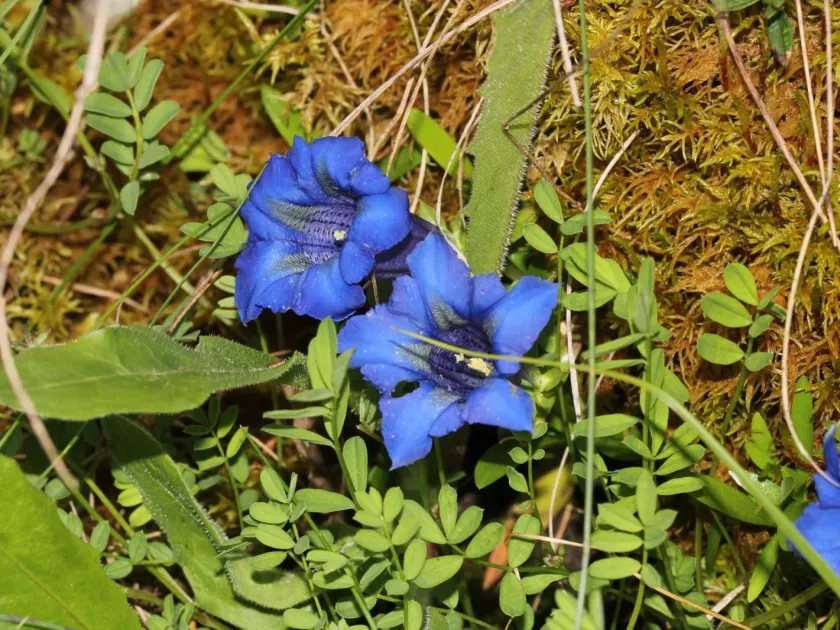
Description
Sowing dates
Sowing Gentiana angustifolia seeds is most effective when done in late autumn, as the seeds require a period of cold stratification to break dormancy. Sowing in outdoor trays allows the natural temperature fluctuations of winter to prepare the seeds for germination in spring.
For those opting for spring sowing, artificial stratification is necessary. The seeds should be placed in a damp substrate and refrigerated at approximately +4°C for at least eight weeks to simulate the natural winter conditions required for biological activation.
Since the seeds are extremely small, they must be surface-sown on a fine-textured, well-draining potting mix. Covering them with a thin layer of grit or sand helps maintain moisture levels around the seeds while ensuring they still receive the light required for emergence.
Germination usually occurs at temperatures between +15°C and +18°C. During this phase, it is vital to keep the surface of the soil consistently moist using a fine mist sprayer to prevent the delicate seedlings from drying out or being displaced by heavy watering.
The growth rate of narrow-leaved gentian seedlings is notably slow. Pricking out should be done with extreme care when the first pair of true leaves appears. Patience is key, as the plant typically does not reach its full flowering potential until its second or third season.
Growing requirements
The narrow-leaved gentian is known as a calcicole plant, meaning it thrives in lime-rich or alkaline soils. In agronomic practice, ensuring the soil pH is neutral or slightly alkaline is crucial for healthy development and vibrant color intensity of the blooms.
Excellent drainage is the cornerstone of successful gentian cultivation. The roots are highly sensitive to stagnant water, which can trigger rapid crown rot. Incorporating coarse gravel or grit into the planting site is highly recommended, especially in heavy soils.
While the species prefers sunny locations, it benefits from light shade during the peak heat of the day in warmer climates. This balance prevents the foliage from scorching and maintains the moisture levels required for the root system during the active growth period.
This alpine perennial is exceptionally cold-hardy, adapted to high-altitude environments. However, in regions prone to fluctuating winter temperatures without consistent snow cover, providing a light mulch or protective covering can prevent frost-heaving of the roots.
Maintaining a balanced water regimen is essential. The soil should remain damp but never saturated. In drought-prone periods, deep watering at the base of the plant is preferable to overhead irrigation, which can encourage fungal foliage issues.
Main diseases and pests
Slugs and snails are the most significant pests for young Gentiana angustifolia plants. These mollusks are attracted to the succulent foliage and can destroy new growth overnight, necessitating the use of traps or physical barriers to protect the crop.
Fungal diseases, such as leaf spot or botrytis, often emerge when plants are subjected to poor ventilation or prolonged periods of leaf wetness. Ensuring proper spacing between plants is an effective preventive measure to allow for air circulation.
Root rot, driven by poor drainage, is a lethal threat to this species. It is characterized by the sudden wilting and yellowing of foliage despite sufficient soil moisture. Once root rot is established, the plant is typically beyond recovery and must be removed.
Aphid infestations can occur during the spring flush of new growth. While rarely fatal, they weaken the plant and can transmit viral diseases. Monitoring the undersides of leaves and using insecticidal soaps can manage these populations before they escalate.
General hygiene in the garden is essential to minimize the disease load. Removing dead plant matter and weeds around the gentians reduces hiding spots for pests and eliminates potential overwintering sites for fungal spores, promoting a healthier growing environment.