
Lomatogonium rotatum
Lomatogonium rotatum
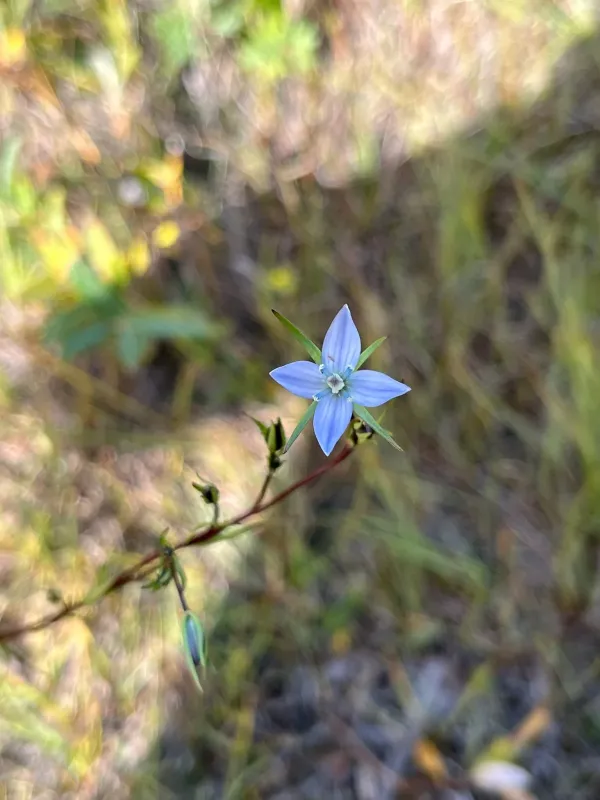
Description
Sowing dates
Lomatogonium rotatum is an annual plant that completes its life cycle within a single growing season, making timing critical for successful propagation.
Seeds of this species exhibit dormancy, requiring cold stratification to germinate effectively, mirroring the natural winter conditions of its native alpine habitat.
For cultivation, seeds are sown in early spring or late autumn, allowing natural cold exposure to trigger the germination process for the upcoming season.
The seeds are exceptionally small and should be sown near the surface of the soil, ensuring adequate light exposure for initial seedling development.
Maintaining consistent moisture in the germination zone is vital, as the seedlings are highly sensitive to surface desiccation during the first few weeks.
Growing requirements
As a member of the Gentianaceae family, Lomatogonium rotatum thrives in cool, moist environments typical of high-latitude or high-altitude regions.
The plant requires well-drained, nutrient-rich soil that mimics the boggy or moist meadow conditions where it is found in the wild.
High levels of solar radiation are essential for the plant to achieve full physiological development; it does not perform well in shaded conditions.
The soil pH should ideally range from neutral to slightly acidic, consistent with typical subarctic or mountain soil profiles.
- Optimal temperature: Cool summers with stable day-night temperature ranges.
- Hydration: Regular moisture is necessary, avoiding both standing water and dry soil.
- Exposure: Requires full sun to partial sun exposure for optimal floral production.
Yield
The productivity of Lomatogonium rotatum is largely determined by its ability to accumulate biomass during the short growing window of alpine climates.
As this species is primarily collected from wild populations rather than broad-acre commercial farming, yield is measured in grams of dry matter per patch.
Yield quality is highly dependent on the timing of the harvest, as peak concentration of specific biochemical compounds occurs specifically during anthesis.
Under managed conditions, thinning competing flora can significantly increase individual plant vigor and overall yield per unit area.
Research into scaling production remains limited, suggesting that small-scale, high-quality harvesting remains the most viable approach to obtaining yield.
Main diseases and pests
The plant is highly susceptible to fungal pathogens that proliferate in stagnant, damp air, which can cause rapid decay of stems and foliage.
Insects and certain herbivores may target the succulent leaves and flower buds, significantly reducing the reproductive potential of a population.
Root rot is a persistent threat if the drainage is inadequate, especially during periods of excessive rainfall or over-irrigation in garden settings.
Weed competition is the most significant agronomic challenge, as faster-growing grasses can quickly overwhelm the fragile Lomatogonium rotatum seedlings.
Integrated pest management should focus on maintaining proper airflow and avoiding over-densification of the planting area to suppress fungal development.
Harvesting
Harvesting should be timed precisely with the period of peak flowering, as this is when the secondary metabolites of the plant are most concentrated.
Using sharp hand tools, the aerial parts are severed, ensuring that the roots remain undisturbed in the substrate for potential secondary growth or soil stability.
Immediate processing is required, involving drying the biomass in a shaded, ventilated area to prevent enzymatic degradation of active compounds.
The drying process must be monitored carefully to avoid the over-desiccation of delicate floral parts, which could lead to loss of material quality.
Storage must occur in airtight, dry containers to prevent reabsorption of moisture, which could foster microbial growth and degrade the chemical integrity of the harvest.