
Lomatogonium carinthiacum
Lomatogonium carinthiacum
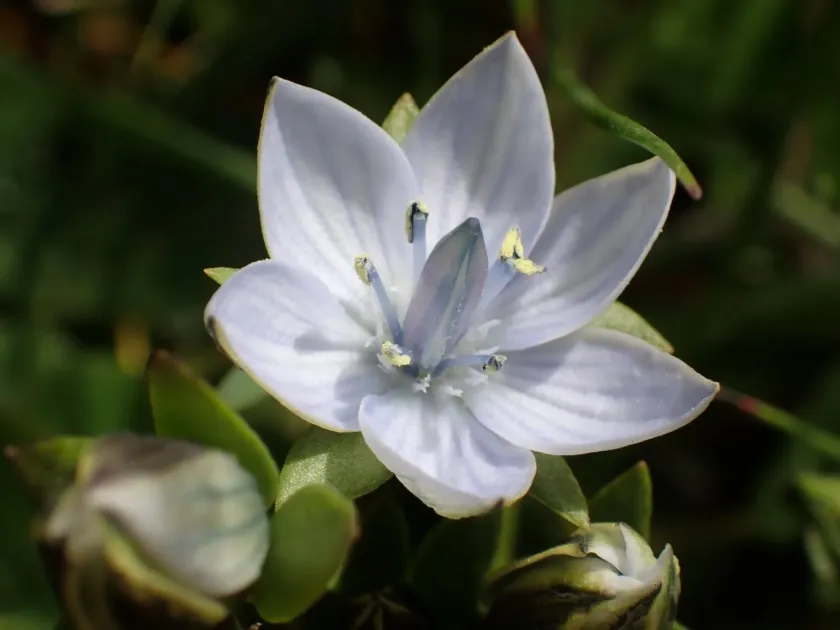
Description
Growing requirements
Lomatogonium carinthiacum is an annual herbaceous plant belonging to the Gentianaceae family. It is recognized for its adaptation to alpine and sub-alpine environments, where it grows in high-altitude zones characterized by specific environmental stressors.
The natural range of this species extends across the mountains of Central Asia and parts of Europe. It primarily occupies open, rocky terrains and meadows where competition with taller vegetation is minimal, ensuring sufficient light access.
Cultivation of this species requires a microclimate that mimics alpine conditions: cool ambient temperatures and excellent soil drainage are paramount. Waterlogging is the most common cause of failure in attempts to propagate this plant in domestic or field settings.
Botanically, the plant features a delicate stem and specialized flowers that open in response to light, optimizing energy consumption. Its root system is shallow, reflecting its adaptation to thin, rocky soils that do not hold significant amounts of water.
The agricultural and economic interest in Lomatogonium stems from its bioactive profile. It is investigated for its pharmaceutical potential, particularly in producing compounds related to the traditional uses of gentian-like plants for digestive and tonic purposes.
Main diseases and pests
Disease management for Lomatogonium carinthiacum is focused primarily on the prevention of fungal pathogens. Because the plant prefers dry and airy environments, any deviation in humidity levels can trigger rapid decay of the basal parts.
Root rot, induced by Pythium and Phytophthora species, remains the primary biological threat. These pathogens exploit damp, poorly aerated conditions to destroy the plant's delicate root network, often leading to sudden collapse.
Pest activity is generally low due to the plant's natural habitat. However, in greenhouse or intensive cultivation environments, aphids and spider mites can occasionally pose a problem, especially if the plants are stressed by high temperatures.
The use of soil-drench fungicides should be approached with caution due to the plant's sensitivity. Integrated Pest Management (IPM) strategies, which emphasize physical barriers and strict moisture control, are more effective than relying on chemical intervention.
To maintain plant health, it is essential to ensure adequate airflow and avoid overhead watering. Keeping the foliage dry is a critical practice for reducing the incidence of fungal spores and maintaining the overall integrity of the crop throughout the season.