
Lisianthius alatus
Lisianthius alatus
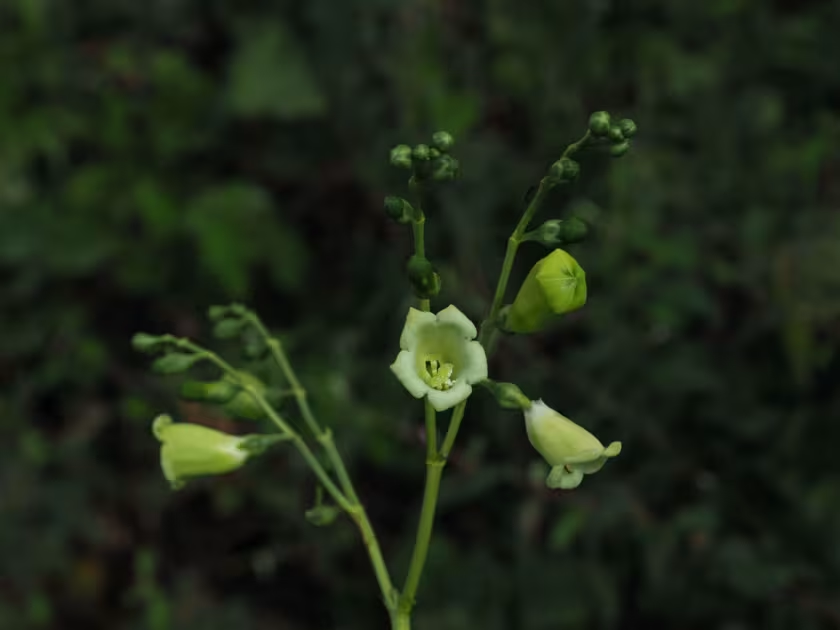
Description
Growing requirements
Lisianthius alatus is a distinctive plant species belonging to the Gentianaceae family. It is known for its elegant structure and is considered a specialized crop within the niche ornamental horticulture sector.
Originating from the tropical regions of Central and South America, the plant thrives in environments that mimic its native forest-edge habitat. It requires high ambient humidity and consistently moderate temperatures.
The preferred soil type for this species is a well-draining, nutrient-rich potting medium. Proper drainage is absolutely critical, as the roots are highly susceptible to hypoxia if waterlogged for extended periods.
Regarding light, Lisianthius alatus performs best under filtered sunlight. Exposure to intense, direct radiation often causes physiological stress, which manifests as chlorosis or necrosis on the leaf margins.
Nutrient management involves a balanced fertilization schedule during the active growing season, focusing on macronutrients like nitrogen for foliage and phosphorus for potential flower development.
Main diseases and pests
The crop is vulnerable to various soil-borne pathogens, particularly fungi such as Pythium and Rhizoctonia, which thrive in overly damp conditions. Disease management is a priority for commercial growers.
Pests like spider mites and thrips represent a significant threat to the plant's aesthetic quality. These pests often congregate on the undersides of leaves, making them difficult to detect early.
Implementation of integrated pest management (IPM) strategies, including biological controls and targeted chemical treatments, is essential for maintaining plant health.
Sanitation practices within the greenhouse environment, such as disinfecting tools and removing decaying plant matter, are necessary to prevent outbreaks.
Regular monitoring of moisture levels and ventilation ensures that the environment remains unsuitable for pathogen proliferation, thereby protecting the overall yield.