
Limahlania crenulata
Limahlania crenulata
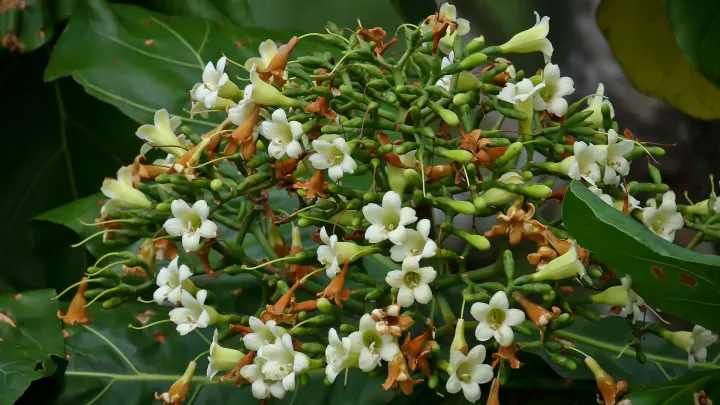
Description
Sowing dates
The optimal sowing time for Limahlania crenulata occurs when soil temperatures are consistently high, typically following the last spring frosts. Establishing the crop during this period ensures vigorous early growth and faster seedling development.
Seeds should be planted at a shallow depth of approximately two centimeters to promote proper moisture absorption and prevent delayed germination. Proper contact between the seed and the soil is essential for high field emergence.
Using a transplanting method is a common practice, with seeds sown in seedling trays four to six weeks before the planned outdoor planting. This technique allows for better control over early plant development and establishment.
Planting spacing is vital for the crop's health, with rows typically set 40 to 50 centimeters apart. This spacing ensures adequate light penetration and reduces competition for nutrients between individual plants.
Ensuring constant soil moisture during the first few weeks after sowing is crucial for obtaining a high-density, uniform plant stand. Regular monitoring of the seedbed helps to prevent crusting and uneven germination.
Growing requirements
Limahlania crenulata thrives best in well-lit locations that receive abundant sunlight throughout the day. Sufficient solar exposure is a primary requirement for achieving optimal plant vigor and high foliage quality.
The crop prefers light, well-drained loamy or sandy soils, as the roots are sensitive to waterlogging. Poorly aerated soils can quickly lead to root decay and decreased nutrient uptake, severely affecting plant performance.
Water requirements are moderate, yet regular irrigation is necessary during the main vegetative growth phase to maintain plant turgor. Avoiding drought stress is essential for consistent yield throughout the summer months.
Soil nutrient management should involve a balanced approach, incorporating organic matter for long-term health and minerals for specific growth stages. Nitrogen applications should be applied with caution to avoid excessive succulent growth.
The ideal temperature range for vegetative development is between 18 and 25 degrees Celsius. While the plant shows some resilience to minor temperature fluctuations, extreme heat may require supplementary irrigation and shade management.
Yield
Yield potential of Limahlania crenulata is strongly influenced by the quality of agronomic management and soil structure. Implementing modern cultivation techniques can lead to significantly higher green matter output per hectare.
Timely weed control and soil aeration are critical operations that directly contribute to increased biomass production. By reducing competition from opportunistic plants, the crop can focus energy on structural growth.
Harvesting at the correct developmental stage, typically during the onset of flowering, is the key to maximizing the quantity and quality of the harvested product. Delaying the harvest may result in lignification of the stems.
Productivity is measured by the total biomass yield per unit area, emphasizing the health of the leaves and canopy. Careful monitoring of the plant population density is necessary to ensure consistent results across the field.
Implementing sustainable fertilization strategies helps to sustain long-term yield without degrading soil quality. Consistent data collection on harvest volumes aids in adjusting future planting plans for improved efficiency.
Main diseases and pests
Fungal diseases, particularly root rots, pose a significant risk to the crop, especially in conditions characterized by high humidity or poor drainage. These pathogens can spread rapidly within dense plant stands.
Insect pests, such as aphids and spider mites, are common threats that feed on young tissues and decrease plant vitality. Integrated pest management strategies are recommended to keep populations below economic damage thresholds.
Powdery mildew can be a persistent issue during periods of fluctuating humidity and temperatures. Proper airflow and spacing are the first lines of defense, supplemented by targeted fungicide use when necessary.
Soil-dwelling larvae can cause severe damage to the root systems of young plants, leading to uneven growth. Preventive treatments of seeds or localized soil applications can mitigate these risks effectively.
Utilizing crop rotation is essential for breaking the life cycles of soil-borne pathogens and ensuring long-term field productivity. Monitoring and early intervention are fundamental to reducing the impact of these agricultural threats.
Harvesting
The harvest of Limahlania crenulata is best performed during dry, cool conditions to maintain the high quality of the cut plant material. Harvesting in the morning helps preserve the moisture content and structural integrity.
Using sharp, clean harvesting tools minimizes mechanical trauma to the plants, which promotes faster recovery and potential regrowth for a subsequent cut. Care should be taken to cut at the correct height.
Immediate handling of the harvested product is essential to prevent wilting and degradation of active compounds. Efficient transport to processing facilities should maintain a temperature-controlled environment of 5 to 10 degrees.
Drying the material requires well-ventilated spaces with precise temperature control, usually not exceeding 40 degrees Celsius, to prevent the loss of essential oils or aromatic properties. Maintaining steady airflow is key.
Packaging and storage must adhere to quality standards to ensure the product remains viable during shipping. Clear labeling and traceability are important for meeting modern market demands for quality and safety.