
Quiabentia verticillata
Quiabentia verticillata
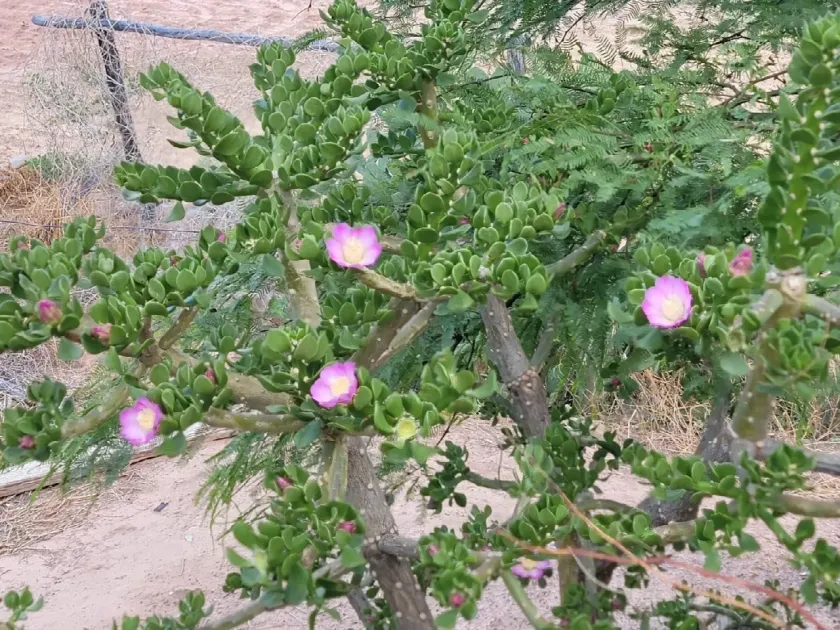
Description
Growing requirements
Quiabentia verticillata is a fascinating member of the Cactaceae family. It is distinct for its shrubby or tree-like habit, which sets it apart from many globular cactus species commonly found in professional or amateur collections.
Native to the dry, subtropical regions of South America, specifically parts of Paraguay and Argentina, this plant is highly adapted to arid environments. It thrives in conditions characterized by intense solar radiation and high drainage requirements.
Cultivation requires a highly porous soil mix. Ideally, the substrate should consist of 60% mineral components like coarse sand, pumice, or gravel to prevent the accumulation of moisture, which is the primary cause of root failure in this genus.
This species requires high light intensity to maintain its structural integrity and natural growth rate. Inadequate light causes the plant to become etiolated, leading to weak stems that may eventually collapse or become highly susceptible to environmental stress.
The thermal requirements during the growing season are warm to hot, generally ranging from 22°C to 30°C. During the winter dormancy period, the temperature should be lowered to around 12°C to 15°C to simulate the natural cooling of its native habitat.
Main diseases and pests
Root rot remains the most significant threat to Quiabentia verticillata. Overwatering, especially in cooler temperatures or low-light conditions, leads to rapid fungal decay of the root system and the base of the main stem.
Mealybugs are the most common pest observed on this culture. They tend to hide in the axils of the branches, making manual inspection and localized treatment with contact insecticides essential for long-term health.
Spider mites can also become problematic if the ambient air remains too dry for extended periods. These pests manifest as fine webbing and yellowing patches on the surface of the plant tissue.
Preventative measures should include maintaining good air circulation around the plants and ensuring the soil dries out completely between waterings to discourage both fungal pathogens and moisture-loving pests.
Integrated pest management protocols suggest rotating different systemic insecticides if an infestation persists, as these succulents can be sensitive to heavy chemical applications if the concentration is not strictly controlled.