
Quiabentia zehntneri
Quiabentia zehntneri
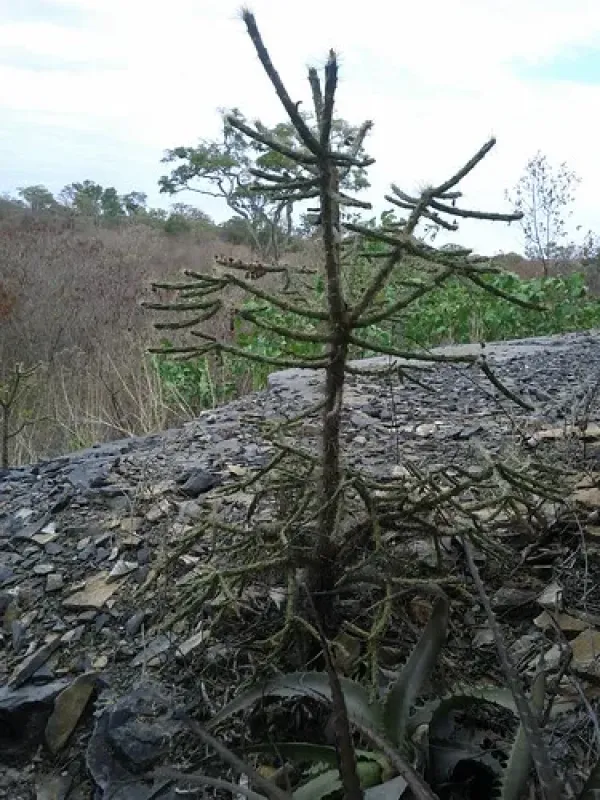
Description
Sowing dates
Propagation of this crop for agricultural or nursery purposes is primarily carried out vegetatively via cuttings. The optimal time for rooting is the end of spring, when the plant emerges from its dormant phase and active vegetation begins.
Sowing seeds requires specific conditions: maintaining a stable temperature between +22°C and +25°C and high substrate humidity at the initial stage. Seeds germinate quite slowly and require good lighting without direct sun exposure on the seedlings.
For the vegetative method, cuttings must undergo a drying phase of the cut for 5–7 days in a shaded area. Only after the formation of callus tissue is the material planted into a loose, well-aerated substrate.
Excessive moisture during the rooting period is unacceptable, as it leads to rapid rotting of the cutting tissues. It is recommended to use bottom heating to stimulate root system development in the first weeks.
Young plants require transplanting as the root ball grows, but this must be done very carefully to avoid damaging fragile roots. Adaptation after transplanting takes about two to three weeks with moderate watering.
Growing requirements
Quiabentia zehntneri belongs to the Cactaceae family and is an arborescent succulent. In its natural environment, the plant grows in dry tropical forests and the Caatinga of Brazil, which defines its requirements for intense sunlight.
For successful growth, the crop needs light, well-drained soils with low organic content and a neutral or slightly acidic pH. Dense loams are detrimental to the root system, so sand, perlite, or fine gravel must be added to the soil.
The plant is heat-loving, so the temperature should not drop below +10°C, even during the dormant period. Optimal indicators for summer maintenance range from +25°C to +35°C, corresponding to its natural habitat.
An important requirement is to ensure good air ventilation around the plant. In closed ground or greenhouses, it is necessary to avoid stagnant humid air, which triggers the development of fungal diseases.
Watering should be abundant during the active growth period, but with mandatory complete drying of the substrate between procedures. In winter, watering is reduced to a minimum, maintaining only the turgor of the stems.
Main diseases and pests
The main threat to the plant is root rot caused by improper watering and poor drainage. Pathogenic fungi quickly attack the succulent's vascular system.
Among pests, mealybugs and spider mites are the most dangerous, settling in the folds of the stem and around the spines. Systemic insecticides and acaricides are used for their control.
Scale insects can also cause significant damage by sucking cell sap and weakening the plant's immunity. Regular inspections allow for early detection before massive infestation occurs.
Viral diseases are rarer but incurable, so infected specimens must be immediately isolated and destroyed. Prevention consists of maintaining tool hygiene and quarantining new plants.
Lack of sunlight leads to stem etiolation, causing the plant to lose stability and become more susceptible to any infections. Providing the correct light regime is the primary defense against diseases.