
Pygmaeocereus bieblii
Pygmaeocereus bieblii
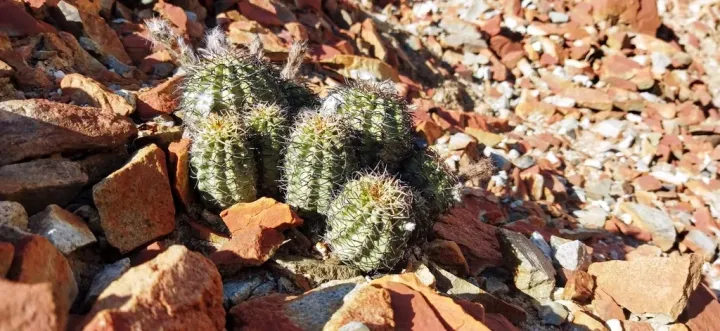
Description
Growing requirements
Pygmaeocereus bieblii is a diminutive species belonging to the Cactaceae family, known for its tiny, globular stems and striking flowers. It originates from the arid regions of Peru, where it grows in harsh, rocky environments.
The plant thrives in bright, filtered light and requires a well-ventilated space to mimic its natural mountain habitat. In cultivation, it is highly sensitive to humidity, requiring low atmospheric moisture levels.
Soil composition is critical for this species; it must be exceptionally porous. A mixture of pumice, lava rock, and coarse sand is ideal, as it ensures rapid drainage and prevents water from pooling around the roots.
Temperature management involves warm summers and a distinct, dry winter dormancy period. Temperatures should remain between 10 and 15 degrees Celsius during winter to encourage spring flowering.
Due to its rarity and specific needs, this cactus is primarily used in specialized botanical collections. It is not a commercial agricultural crop but a significant subject for horticultural research and conservation.
Main diseases and pests
The most significant threat to Pygmaeocereus bieblii is root rot, caused by stagnant water or overly organic soil mixes. Once root tissues begin to decay, the plant is extremely difficult to rescue.
Common pests include mealybugs, which tend to hide in the crevices between the tubercles of the cactus. Regular inspections with a magnifying glass are recommended to catch infestations early.
Spider mites are another common challenge, especially in indoor environments with low airflow. They feed on the plant's surface, causing unsightly scarring that can permanently affect its aesthetic value.
Fungal infections can also occur if humidity levels remain too high for extended periods. Applying systemic fungicides can prevent these issues, provided the substrate remains dry and well-drained.
Proper hygiene, such as using clean pots and sterilized tools, is essential for keeping these miniature cacti healthy throughout their long lifespan in a controlled indoor environment.