
Pfeiffera boliviana
Pfeiffera boliviana
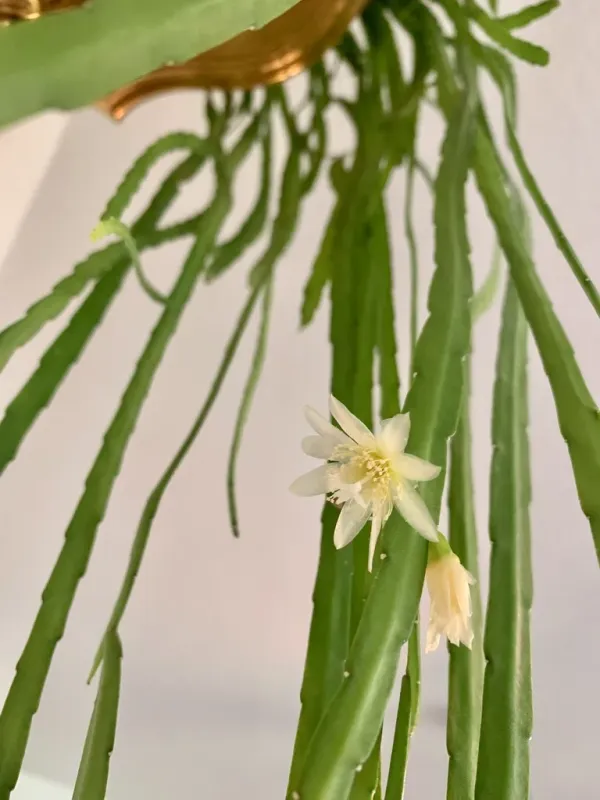
Description
Growing requirements
Pfeiffera boliviana is a member of the Cactaceae family, known for its unique trailing habit. Originating from the humid forests of Bolivia, it functions as an epiphyte, growing on trees or rocks in its native environment.
To cultivate this species effectively, one must provide conditions that mimic a tropical rainforest understory. It thrives in bright, filtered light and should be protected from direct sunlight to prevent stem scorching.
The ideal temperature range is between 18°C and 25°C. Like many forest cacti, it appreciates a moderate drop in temperature at night, which helps stimulate healthy growth and potential blooming.
A well-draining, airy substrate is essential for the root system. A blend consisting of high-quality peat, fir bark, perlite, and a small amount of charcoal is highly recommended for optimal moisture retention and aeration.
Cultural practices include consistent humidity maintenance. Regular misting and the use of pebble trays with water can help create a microclimate that keeps the segments hydrated without waterlogging the roots.
Main diseases and pests
Mealybugs are the most common pest threat for Pfeiffera boliviana. These insects cluster in the crevices between stem segments, feeding on plant sap. Systemic insecticides are effective in managing infestations.
Spider mites can be problematic in low-humidity environments. They cause stippling on the skin and overall plant weakness. Maintaining proper humidity and good air circulation is the best preventive strategy.
Root rot remains the most serious disease risk. It is almost exclusively caused by overwatering or soil that remains sodden for too long, leading to the collapse of the cactus body.
Stem spot fungi can appear if the plant is kept in cold, humid conditions with poor ventilation. Ensuring that the surface of the stems can dry out periodically is crucial to mitigating these risks.
Proper hygiene is vital for disease control. Always remove any dead or decaying plant material immediately and ensure all potting tools are sterilized before use to avoid spreading pathogens.