
Lemaireocereus hollianus
Lemaireocereus hollianus
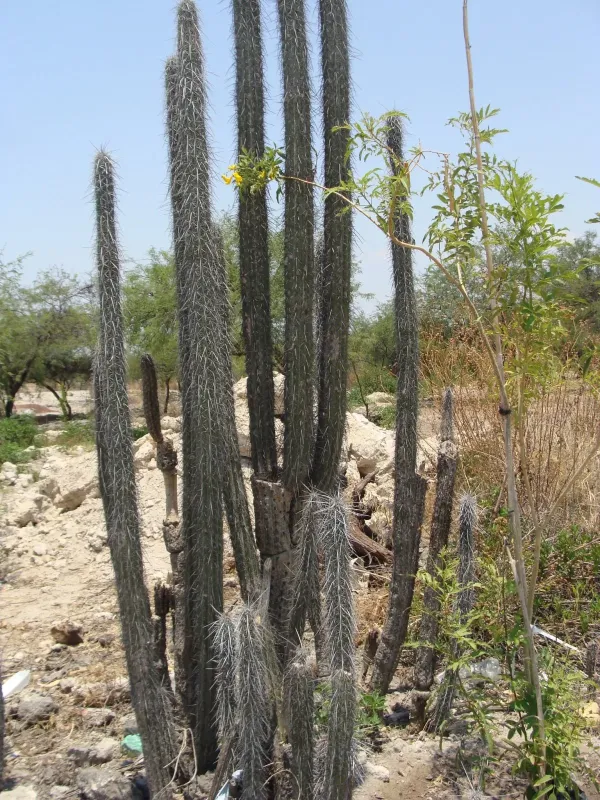
Description
Growing requirements
Lemaireocereus hollianus is a prominent species within the Cactaceae family, often classified under the Pachycereus genus in modern botanical studies. This columnar cactus is characterized by its woody, tree-like growth habit, which is a classic adaptation to its native arid habitats in Mexico.
The plant thrives in intense sunlight and is highly adapted to high-temperature environments. In cultivation, exposure to direct sunlight is crucial to maintain its structural integrity and characteristic spination. Insufficient light results in elongated, weak growth, significantly reducing the plant's ornamental value.
Soil requirements are strictly focused on drainage and aeration. A substrate consisting of coarse sand, perlite, and a minimal amount of inorganic soil is ideal. The pH should be neutral to slightly acidic, as the plant is sensitive to salt accumulation and high organic matter content that may harbor pathogens.
Climatic conditions should mimic the desert cycle: hot and dry growing seasons followed by a cool, very dry dormant period. Frost is strictly prohibited, as the plant’s high water content makes it highly susceptible to cell bursting at freezing temperatures. Maintaining temperatures above 10 degrees Celsius is essential during winter.
The primary use of Lemaireocereus hollianus is in xeriscaping and horticultural collections. Its dramatic silhouette makes it a sought-after specimen for botanical gardens and landscape projects located in frost-free regions, contributing to the aesthetics of desert-themed environments.
Main diseases and pests
Root rot remains the most lethal threat to Lemaireocereus hollianus, typically induced by poor drainage or excessive soil moisture. Once internal tissue decay begins, it is often difficult to reverse, requiring excision of the necrotic parts and re-rooting.
Common pests include mealybugs and spider mites, which exploit the crevices between the cactus ribs to hide. These insects drain plant juices and can introduce viral or fungal infections through the feeding sites on the epidermis.
Effective pest management involves using targeted pesticides and maintaining good air circulation. Regular cleansing of the stem with alcohol-based solutions can serve as a preventative measure against small insect outbreaks.
Fungal pathogens causing leaf spots or skin lesions are often a result of high humidity levels during the dormant phase. Improving ventilation is the most effective cultural method to prevent these issues from developing.
Physical injuries to the cactus skin should be kept dry and allowed to callus over naturally. Applying sulfur powder to wounds can act as a fungicide and promote faster healing of the damaged plant tissue.