
Kroenleinia grusonii
Kroenleinia grusonii
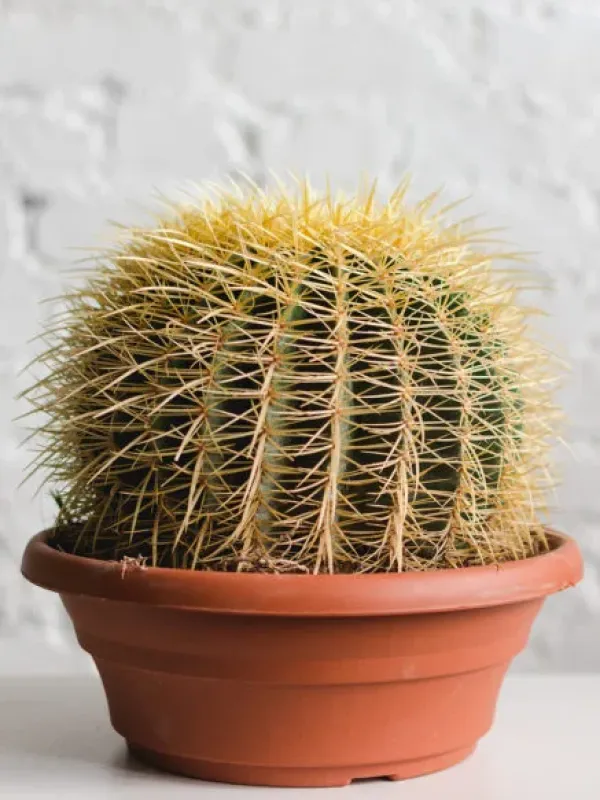
Description
Sowing dates
Sowing seeds of Kroenleinia grusonii is best performed in the spring when temperatures consistently range between 22°C and 28°C. This timing allows young seedlings to gain strength before the dormancy period begins in late autumn.
The substrate for sowing must be porous and composed primarily of fine mineral particles such as perlite or coarse sand. Sterilizing the soil medium before sowing is a vital step to prevent the development of harmful molds that often plague slow-growing cactus seeds.
Seeds are placed on the surface and covered with a very fine layer of grit to maintain stability. The container should be covered with clear plastic to create a humid environment, which significantly increases the germination rate of this species.
Germination usually occurs within two to four weeks depending on the freshness of the seeds. Once sprouts emerge, it is essential to gradually introduce fresh air by poking holes in the plastic cover to prevent damping-off disease.
The first transplantation into individual pots should be avoided for at least a year until the seedlings are robust enough to withstand root disturbance. Patience is key, as this species is known for its slow initial growth phase.
Growing requirements
Kroenleinia grusonii, belonging to the Cactaceae family, is native to the central plateau of Mexico, where it thrives in rocky, well-drained soils under intense sunlight. As a desert species, it requires maximum exposure to light to maintain its characteristic globe shape and dense spines.
The soil must be inorganic and gritty, providing excellent drainage to ensure that moisture does not accumulate around the roots. Using a standard peat-based potting soil without significant additions of gravel often leads to root rot within the first few months.
Summer maintenance requires high temperatures and good ventilation to mimic the natural desert climate. During this time, deep watering should be provided, allowing the soil to dry out completely before the next irrigation cycle.
A cool winter dormancy period is essential for the maturation and potential flowering of the plant. Temperatures should be kept between 8°C and 12°C, and watering must be severely restricted to keep the plant in a state of metabolic rest.
Fertilization should be limited to the peak of the growing season using a balanced, low-nitrogen cactus fertilizer. Over-fertilization induces rapid, weak growth, making the plant more susceptible to tissue collapse and pest infestations.
Main diseases and pests
Spider mites are the most common pests, especially in environments with poor air circulation and low humidity. These microscopic arachnids cause stunted growth and yellowing of the epidermis, which can be managed with periodic applications of miticides.
Mealybugs can become a serious problem if they establish colonies at the base of the spines or near the roots. Regular inspection of the plant's crown is necessary to catch infestations early before they spread to other nearby specimens.
Root rot is the primary physiological threat to Kroenleinia grusonii, usually caused by overwatering or soil that retains too much moisture. Once the roots are compromised, the decay can move rapidly into the stem, making salvage efforts difficult.
Fungal pathogens such as Pythium and Phytophthora can attack the plant during periods of high humidity and poor ventilation. Keeping the plant dry and ensuring good airflow around the spines are the best preventive measures against fungal infections.
- Maintain a strict dry-winter regime.
- Avoid spraying water directly on the cactus body.
- Use professional-grade soil mixes for cacti.