
Isolatocereus dumortieri
Isolatocereus dumortieri
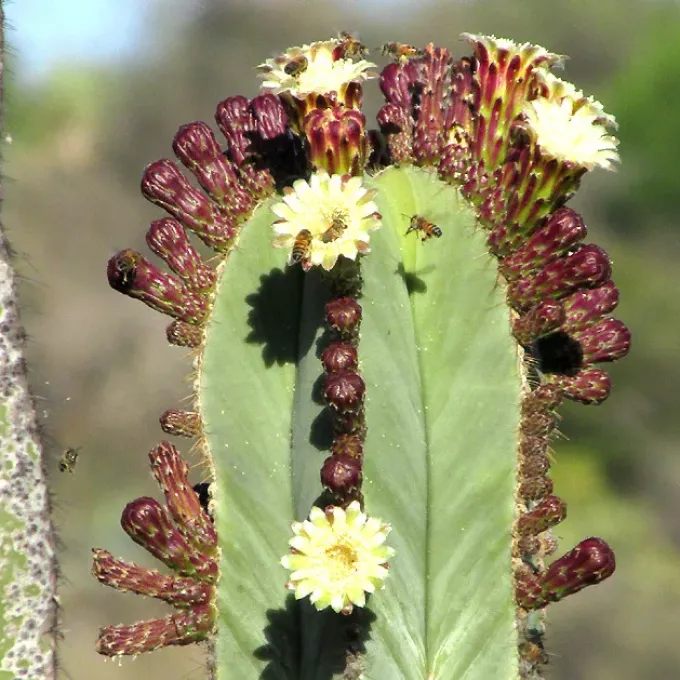
Description
Sowing dates
Propagation of Isolatocereus dumortieri is primarily performed through seeds or stem cuttings during the early spring to mid-summer period.
Seeds should be sown in a sterile, well-draining mineral substrate, maintaining a consistent temperature between 22 and 26 degrees Celsius.
When using cuttings, it is crucial to allow the wound to callus over for several days in a shaded area before inserting the specimen into dry soil.
The rooting phase requires minimal moisture, as excess humidity will immediately lead to the decay of the succulent stem tissue.
Once roots are established, the young cactus can be slowly transitioned to a more typical adult care regimen with increased light exposure.
Growing requirements
Isolatocereus dumortieri is a member of the Cactaceae family, native to the arid and semi-arid regions of Mexico where it thrives in rocky terrain.
This species demands full sun exposure to maintain its structural integrity and prevent etiolation, which is a common issue in low-light indoor environments.
The substrate must be highly porous, consisting of pumice, lava rock, or coarse sand to ensure rapid water drainage and root aeration.
Irrigation should follow the seasonal cycle, providing regular moisture during the active growing season while keeping the soil dry throughout winter dormancy.
While tolerant of extreme heat, the plant requires protection from extreme frost, which can cause internal cell rupture and permanent damage.
Main diseases and pests
The most common threat to this plant is root rot caused by stagnant water, which often proves fatal if not addressed through repotting and substrate adjustment.
Pests such as mealybugs often hide in the dense areoles of the plant, necessitating regular inspections and prompt treatment with alcohol or insecticides.
Spider mites can also cause significant damage by scarring the epidermis, particularly when the plant is kept in poor ventilation and low humidity.
Fungal infections can appear as dark spots on the stem, often resulting from mechanical damage combined with high humidity levels in the cultivation space.
Maintaining a clean and dry environment is the most effective way to prevent the establishment of these threats and ensure the long-term health of the plant.