
Hookers Orchid Cactus
Epiphyllum hookeri
Description
Growing requirements
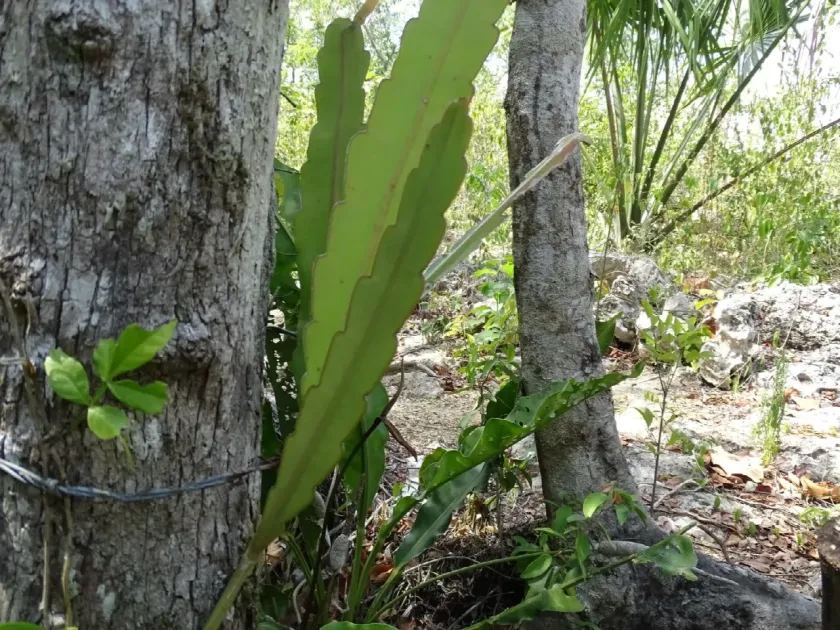
Hooker's Orchid Cactus (Epiphyllum hookeri) is a unique perennial plant belonging to the Cactaceae family. Native to the tropical regions of Central and South America, it grows as an epiphyte on trees, benefiting from the humid forest environment. This species is highly valued for its long, flattened, pendulous stems and striking, fragrant nocturnal flowers.
Successful cultivation requires bright, indirect light to simulate the canopy shade of its native habitat. Direct sunlight is detrimental, as it can easily scorch the plant's succulent tissue. Maintaining a consistent temperature range, typically between 20°C and 25°C, is essential during the growing season, while a cooler dormant period in winter is necessary to promote flowering.
The substrate must be well-draining, mimicking the organic-rich debris found in tree crevices. A mixture containing peat, pine bark, perlite, and charcoal is highly recommended for proper aeration. Ensuring the pot has ample drainage holes is critical, as Epiphyllum hookeri is sensitive to waterlogged soil and can quickly succumb to root rot if moisture levels are not monitored.
Watering practices should be balanced; allow the top layer of the potting medium to dry out before the next irrigation. During the summer, maintain high humidity levels through regular misting to keep the foliage vibrant and healthy. Fertilization should be focused on low-nitrogen, high-potassium formulas specifically designed for cacti and succulents to encourage bloom development.
In terms of agricultural and horticultural utility, Epiphyllum hookeri is strictly used as an ornamental species in indoor and greenhouse environments. Its habit of growth makes it an excellent choice for hanging baskets. Enthusiasts value this plant not only for its aesthetic appeal but also for its unique nocturnal physiological processes, making it a staple in botanical collections.
Main diseases and pests
Common pests include mealybugs and spider mites, which thrive in environments with low humidity. Monitoring the underside of the stems is crucial for early detection. If an infestation occurs, manual removal or the application of specialized insecticidal soaps and horticultural oils are effective ways to manage these populations and restore plant vigor.
Pathogenic threats primarily include various species of fungi that cause stem rot and root decay, often exacerbated by poor ventilation and overwatering. Preventative measures include proper spacing of plants to ensure air circulation and strict adherence to irrigation schedules. Infected sections should be promptly removed using sterilized tools to prevent the spread of the pathogen.