
Fishbone cactus
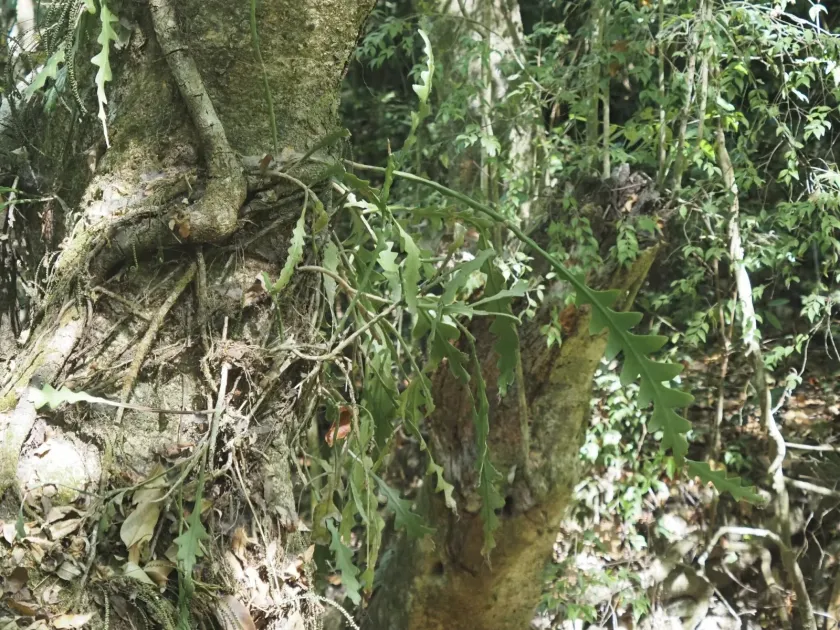
Epiphyllum anguliger
Description
Growing requirements
The Fishbone cactus, or Epiphyllum anguliger, is a member of the Cactaceae family native to the tropical forests of Mexico. As an epiphyte, it grows on tree trunks rather than in soil, which dictates its specific cultivation requirements.
To cultivate this plant successfully, use a highly porous and airy potting mix. A standard substrate for epiphytic cacti should include chunky pine bark, perlite, and a small amount of peat moss to ensure proper drainage.
The plant thrives in bright, indirect light. Direct sunlight can scorch its unique zigzag stems, while too little light will lead to weak, elongated growth and a lack of flowering.
Maintain temperatures between 20°C and 25°C during the growing season. In winter, a cooler period with temperatures around 15°C is essential to induce blooming, which produces fragrant, nocturnal flowers.
Watering should be balanced: allow the top half of the soil to dry out before the next irrigation. During the winter rest period, watering frequency should be significantly reduced to prevent rot.
Main diseases and pests
Common pests affecting Epiphyllum anguliger include mealybugs and scale insects. These pests feed on the plant's sap and can cause stunted growth if left untreated.
Spider mites are another threat, particularly in dry indoor environments. Frequent misting or maintaining high ambient humidity helps to deter these pests effectively.
Root rot is the most common physiological disorder caused by overwatering or poor drainage. Always ensure the pot has drainage holes to allow excess water to escape.
Fungal infections can appear as brown or mushy spots on the stems. If rot is detected, use a sterile knife to cut away the affected tissue and apply a fungicide to the wound.
Proper hygiene, such as removing fallen debris from the soil surface and avoiding water accumulation in the crevices of the stems, is crucial for plant health.