
Epiphyllum chrysocardium
Epiphyllum chrysocardium
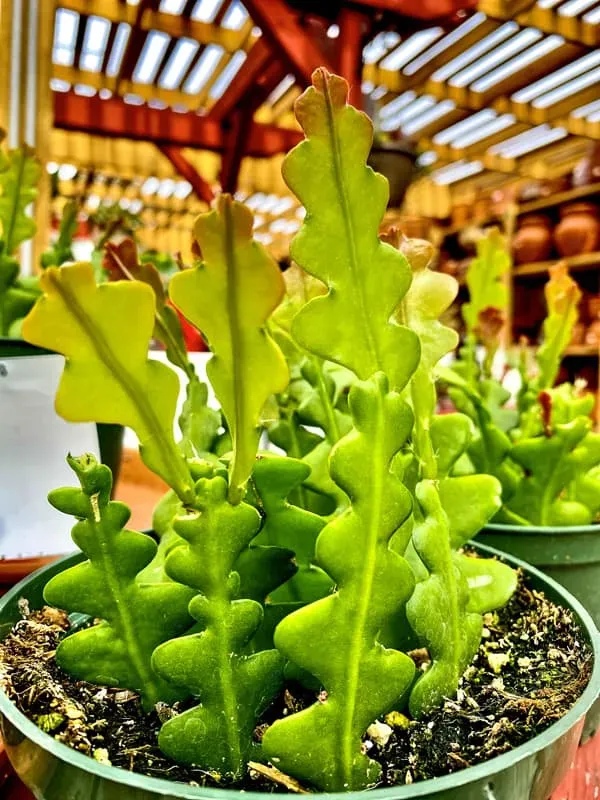
Description
Growing requirements
Epiphyllum chrysocardium is a fascinating member of the Cactaceae family, native to the tropical rainforests of Mexico. It is widely known for its spectacular, fern-like segmented stems that can grow quite large. As an epiphyte, it grows on trees in its natural habitat, which influences its specific indoor cultivation requirements.
The cultural conditions must replicate its tropical origin. It thrives in bright, indirect light. Direct sunlight should be avoided during the peak hours of the day to prevent scorching the delicate foliage. An ideal temperature range is between 18 and 25 degrees Celsius for active growth.
Soil composition is crucial for the health of this cactus. A loose, well-draining substrate rich in organic matter is preferred. A typical mix should include pine bark, perlite, and high-quality peat moss, providing excellent aeration for the roots to prevent rot.
Agrotechnical care involves a careful watering schedule. The substrate should be allowed to dry out significantly between watering sessions, especially during the dormant winter period. During the summer, water should be applied consistently but never allowed to saturate the soil.
Maintaining high humidity levels is beneficial for this species. Regular misting or the use of a room humidifier will keep the fern-like leaves vibrant. Ensure good air circulation to mimic the breeze of the forest canopy, which helps in preventing fungal issues.
Main diseases and pests
Pests such as spider mites, mealybugs, and scale insects can frequently affect Epiphyllum chrysocardium. These often infest the plant in dry, indoor environments. Regular monitoring of the leaf crevices and stems is essential to catch early infestations.
Root rot is the most common pathology, usually caused by overwatering or poor drainage systems. To combat this, ensure the pot has adequate drainage holes and use a very light soil mix. If rot occurs, prune affected parts immediately and transplant into fresh, dry soil.
Fungal diseases like gray mold can occur if the humidity is high and air circulation is stagnant. Providing adequate spacing between plants and keeping the foliage relatively dry during cool periods can help mitigate these risks significantly.
Nutrient deficiencies can lead to chlorosis or weakened stems. Utilizing a balanced fertilizer designed for succulents at half strength during the growing season supports healthy development and robust tissue formation without causing stress.
Always sanitize tools when trimming or propagating the plant to prevent the spread of bacteria or viruses. Following strict hygiene protocols is a fundamental part of the long-term management of this rare tropical species.