
Epiphyllum pumilum
Epiphyllum pumilum
Description
Growing requirements
Epiphyllum pumilum is a fascinating species of epiphytic cactus belonging to the Cactaceae family. Native to the tropical regions of Mexico and Guatemala, this plant thrives in humid environments where it grows in the forks of trees or on rocky outcroppings.
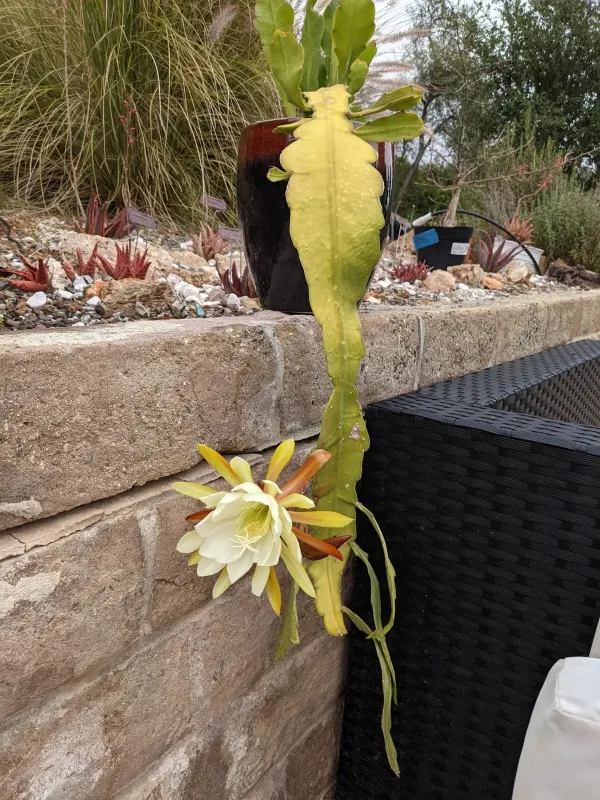
The plant is characterized by its flattened, serrated, leaf-like stems which exhibit a cascading growth habit. Unlike desert cacti, it lacks sharp spines and is adapted to the filtered light of a tropical canopy, making it an excellent candidate for managed cultivation.
The cultivation requirements focus on mimicking its natural habitat. It prefers bright, indirect light to maintain vigorous growth. Exposure to direct sun will scorch the epidermis, while insufficient light leads to etiolated, weak stems that fail to bloom.
Soil composition must provide excellent drainage. A specialized mix consisting of bark, perlite, and peat moss is recommended to ensure that oxygen reaches the roots while maintaining enough moisture to prevent the plant from shriveling.
Consistent watering during the growing season is essential, followed by a cooler, drier dormancy period. This seasonal variation is the key agrotechnical trigger for initiating the production of the plant's elegant white, night-scented flowers.
Main diseases and pests
Common pests include mealybugs and spider mites. These pests thrive in dry indoor conditions and can cause significant damage to the plant's surface if not monitored and addressed early through physical removal or insecticidal soaps.
Root rot is the most serious disease risk, typically triggered by waterlogged soil. Ensuring that the pots have ample drainage holes is the first step in successful management of this agricultural crop.
Fungal leaf spot can occur when stagnant air and high humidity are combined. Improving ventilation and spacing between plants are highly effective methods of preventing the spread of spores.
Biological controls are preferred in indoor collections, but systemic pesticides may be necessary in large-scale nursery production to ensure the health of the vegetative stock.
Regular sanitation of tools and working areas is required to prevent the transmission of viral or fungal pathogens between different specimens in the collection.