
Epiphyllum baueri
Epiphyllum baueri
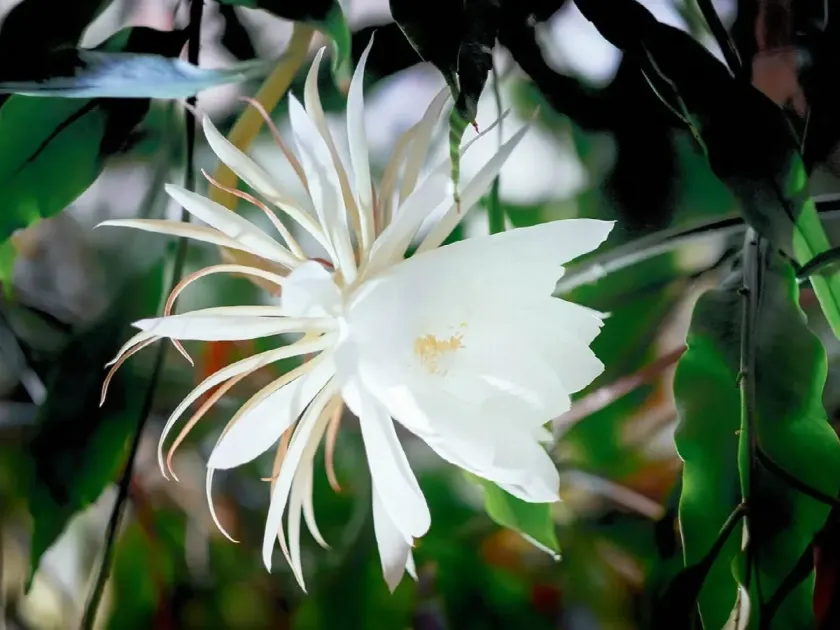
Description
Growing requirements
Epiphyllum baueri is a distinct species within the Cactaceae family, known for its epiphytic nature. Originally native to the tropical forests of Central and South America, it grows naturally on tree branches, which dictates its specific physiological needs in a cultivation setting.
The species thrives in bright, filtered light. Exposure to direct, harsh sunlight should be avoided to prevent scorching the flat, photosynthetic stems. A location with morning sun or dappled light through a canopy is ideal for maintaining the plant's health and vibrant green color.
Temperature requirements involve a range of 20 to 25 degrees Celsius during the active growing season. A cooler period during winter, typically between 12 and 15 degrees Celsius, is essential for dormancy and significantly improves the chances of successful blooming in the following spring.
Substrate composition must be light, airy, and slightly acidic to mimic the organic debris found in tree crevices. A mix incorporating pine bark, perlite, and high-quality peat is recommended to ensure excellent drainage and prevent the roots from suffocating in heavy, waterlogged soil.
Watering should be balanced, allowing the top layer of the potting mix to dry out slightly between sessions. Maintaining high atmospheric humidity is crucial, especially in indoor environments where heating systems tend to dry out the air, which can harm the plant's tender tissues.
Main diseases and pests
Mealybugs are frequent pests for Epiphyllum species, often congregating in the notches and crevices of the stems. Early intervention with systemic insecticides or gentle washing with insecticidal soap is necessary to prevent widespread infestation and stunted growth.
Root rot is the most common threat, often caused by inadequate drainage or over-frequent watering. If the stems appear soft, mushy, or discolored at the base, it is critical to inspect the root system immediately and transplant the plant into fresh, dry medium.
Spider mites can become a significant issue during dry winter months, leading to fine webbing and yellowish spots on the stems. Increasing ambient humidity and periodic misting or gentle rinsing of the stems can serve as effective preventative measures against mite proliferation.
Scale insects may attach to the surface of the stems, creating small, hard bumps that sap the plant's vitality. Physical removal using a cotton swab dipped in rubbing alcohol is a safe and effective way to manage localized infestations without damaging the plant.
Fungal pathogens such as Fusarium can cause localized wilting or necrotic spots. These are typically managed through proper sanitation, pruning of infected segments, and the strategic application of copper-based fungicides when necessary to stop the spread of infection.