
Coleocephalocereus aureus
Coleocephalocereus aureus
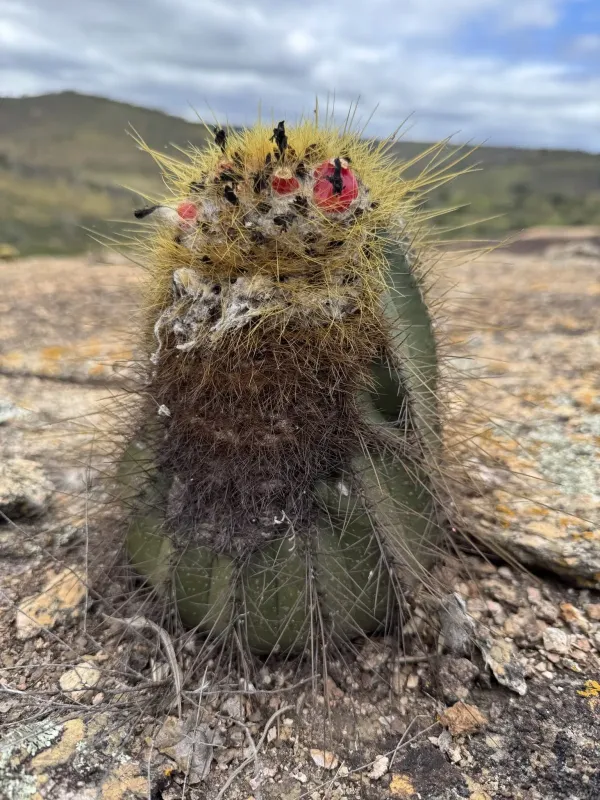
Description
Growing requirements
Coleocephalocereus aureus is a distinct member of the Cactaceae family, native to the rocky landscapes of Brazil. This species is highly valued by succulent enthusiasts for its unique structural appearance and its impressive, woolly cephalium that produces flowers.
The plant thrives in environments that mimic its arid natural habitat. It requires high levels of solar radiation, meaning a south-facing window or a greenhouse with intense natural light is essential for the healthy development of its spines and sturdy stems.
Soil composition must be extremely porous to ensure optimal drainage. A mixture of pumice, coarse sand, and a minimal amount of organic substrate is recommended to prevent water retention. Proper aeration of the root system is a fundamental requirement for this species.
Temperature management plays a critical role in the growth cycle. While the plant appreciates warm temperatures during its active growth period, it requires a cooling period in winter, ideally between 12 and 15 degrees Celsius, to trigger the flowering cycle.
Irrigation practices should be disciplined. The plant must be allowed to dry out completely between watering sessions to avoid root rot. During the dormant winter phase, watering should be restricted to a bare minimum to prevent physiological stress.
Main diseases and pests
The primary threat to Coleocephalocereus aureus is fungal infection, which often stems from improper irrigation and waterlogging. Poor soil drainage typically causes the roots to rot, leading to systemic weakness and potential plant loss.
Mealybugs represent the most significant pest risk for this cactus, particularly because they target the dense woolly fibers of the cephalium. Regular monitoring is necessary to catch infestations early before they spread across the collection.
Spider mites can also cause damage to the epidermis in conditions of low humidity and stagnant air. These pests extract fluids from the plant cells, leaving visible marks that degrade the aesthetic appeal and overall health of the cactus.
Preventative measures include maintaining good airflow around the plants and isolating any new specimens before adding them to a larger collection. Keeping the growing area clean helps prevent the accumulation of dust and moisture that attracts various pests.
Treatment for persistent infestations or infections involves the use of systemic insecticides or antifungal agents. It is crucial to read labels carefully to ensure that the chemical compounds are safe for use on sensitive succulent species.