
Coleocephalocereus goebelianus
Coleocephalocereus goebelianus
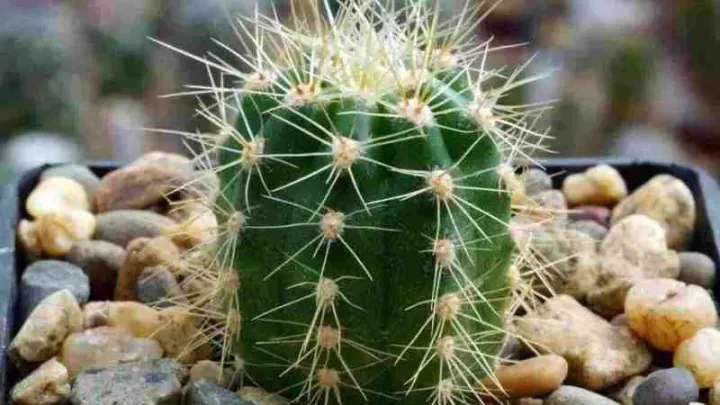
Description
Growing requirements
Coleocephalocereus goebelianus is a distinct species within the Cactaceae family, natively found in the rocky habitats of eastern Brazil, specifically in Bahia and Minas Gerais states.
This succulent is characterized by its columnar growth habit and the development of a cephalium, a specialized structure on the stem from which flowers and fruits emerge.
Regarding growth requirements, this plant demands high light intensity, as it is native to open, rocky areas with very little shade throughout the growing season.
The soil for cultivation must be highly porous and mineral-based, typically a mix of potting soil for cacti and inorganic materials like perlite, pumice, or gravel to ensure rapid water drainage.
Temperature management is crucial; while it enjoys warm summers, it requires a dry and cooler winter rest period to ensure that the plant enters dormancy, preventing etiolation.
Main diseases and pests
The primary threats to the health of Coleocephalocereus goebelianus include fungal pathogens, which thrive in conditions of poor ventilation and excessive moisture in the substrate.
Root rot is the most common and dangerous condition, often caused by overwatering during the cooler months when the plant's metabolic activity is significantly reduced.
Insect pests, specifically mealybugs and spider mites, are frequent threats that can cause damage to the epidermis and weaken the plant, making it susceptible to secondary infections.
Regular inspections of the plant's surface and root system are essential for early detection of potential infestations, allowing for immediate application of appropriate control measures.
Proactive care, including the use of sterile soil, proper spacing for air circulation, and avoiding water on the stem during the evening, significantly lowers the risk of disease.