
Cephalocereus senilis
Cephalocereus senilis (Haw.) Pfeiff.
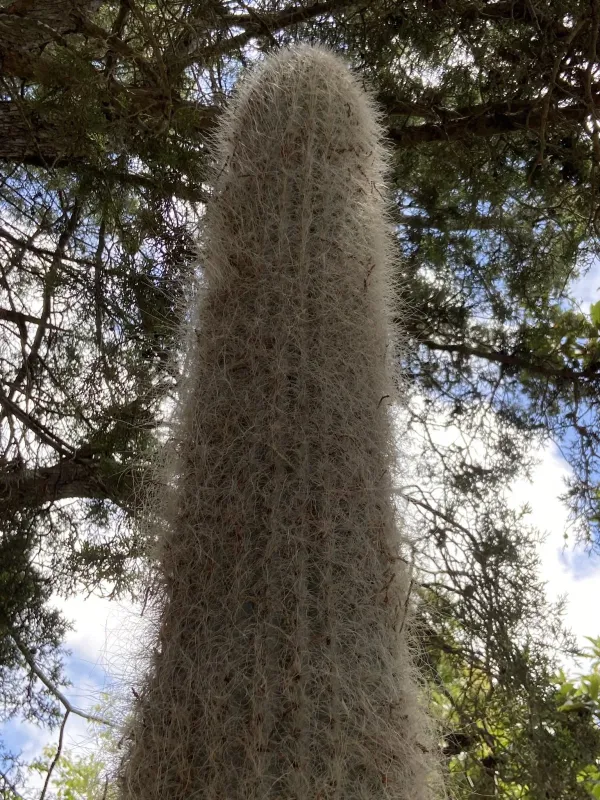
Description
Sowing dates
Propagation of Cephalocereus senilis is commonly performed through seeds, which requires specific environmental conditions to ensure high germination rates.
Seeds should be sown in a well-draining mineral-based substrate during the spring season to benefit from natural daylight and rising temperatures.
Providing bottom heat at temperatures between +22°C and +26°C significantly accelerates the initial growth of the young seedlings.
Seedlings must be handled with extreme care due to their delicate structure and susceptibility to fungal pathogens during the first year of life.
Vegetative propagation via cuttings is rarely used for this species but can be done by carefully removing offsets and allowing the wound to callous for several weeks.
Growing requirements
Cephalocereus senilis, a member of the Cactaceae family, originates from the limestone slopes of central Mexico, where it thrives in extreme desert conditions.
The characteristic white hair is a specialized botanical feature that provides protection against intense solar radiation and helps retain minimal moisture.
Optimal growth requires high levels of bright, direct sunlight, making it an excellent candidate for greenhouse cultivation or south-facing windows.
The substrate must be highly porous, typically composed of gritty sand, pumice, or crushed volcanic rock to prevent any water retention near the root zone.
Winter dormancy is critical for the plant, requiring low temperatures between +10°C and +12°C and keeping the substrate almost entirely dry.
Main diseases and pests
Root rot is the most common threat to this species, usually caused by improper watering techniques or using soil mixes that hold too much moisture.
Mealybugs are the primary pests that infest the dense white hairs, often going unnoticed until the infestation reaches a severe level of damage.
Spider mites may affect the cactus if the ambient air is too dry, which can cause discolouration and weaken the overall plant health.
Effective management includes the use of systemic insecticides, though application must be targeted to avoid staining or matting the unique hair growth.
Maintaining adequate air circulation and keeping the plant in a clean, dust-free environment are essential preventive measures for long-term health.