
Hechtia epigyna
Hechtia epigyna
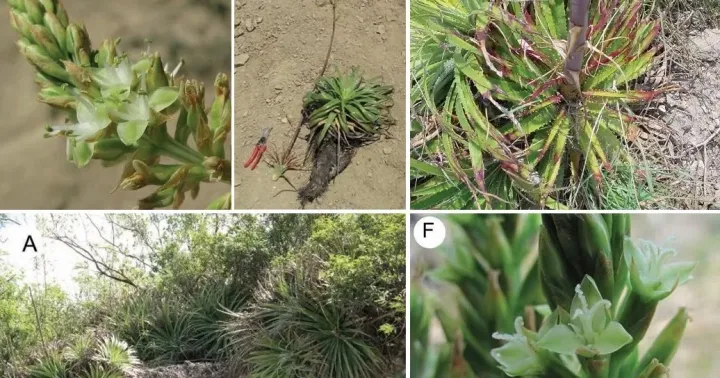
Description
Growing requirements
Hechtia epigyna is a unique species belonging to the Bromeliaceae family, widely recognized for its robust, xerophytic habit. Unlike most other bromeliads, this species is terrestrial, developing a dense, ground-hugging rosette of serrated, spine-tipped leaves designed to withstand arid environments.
Originating from the rugged landscapes of Mexico, this plant thrives in rocky, well-drained substrates. Its evolutionary adaptations allow it to survive in high-light, water-scarce regions, making it a prime candidate for specialized succulent gardens and xeriscaping projects.
Cultivation requires abundant direct sunlight to maintain the plant's structural integrity and intense leaf coloration. In low-light indoor environments, the rosette tends to stretch and lose its characteristic stiff, compact form, which is detrimental to its health.
Soil requirements are strict, focusing on drainage. A mix designed for cacti and succulents, enriched with mineral components such as volcanic rock, perlite, or pumice, is ideal to prevent water retention around the roots, which is the primary cause of plant loss.
The plant demonstrates high tolerance to heat and fluctuating temperatures, mimicking its natural mountainous habitat. However, it requires a clear distinction between the growing season and the dormant winter period, during which water application should be significantly reduced.
Main diseases and pests
The primary threat to Hechtia epigyna is root rot caused by stagnant moisture in the root zone. Inadequate drainage or excessive watering regimes lead to rapid tissue decay and are almost always fatal if not addressed immediately through substrate replacement.
Scale insects are a significant pest for this species, often congregating in the hidden axils of the leaves. Their presence can be difficult to detect until substantial damage has occurred, necessitating frequent inspections of the foliage base.
Mealybugs are another common threat, often sheltered by the plant's dense leaf structure. Manual cleaning combined with targeted systemic insecticide application is the standard approach for managing these infestations in a greenhouse or home setting.
Poor ventilation can lead to fungal issues, particularly when ambient humidity is high during cooler periods. Providing consistent airflow is essential to keep the leaves dry and prevent the proliferation of pathogens that target succulent foliage.
Ultimately, a successful management strategy relies on strict adherence to a dry-cycle irrigation method. By allowing the soil to dry out completely between waterings, the gardener creates an environment where pests and diseases have little opportunity to establish themselves.