
Hechtia mexicana
Hechtia mexicana
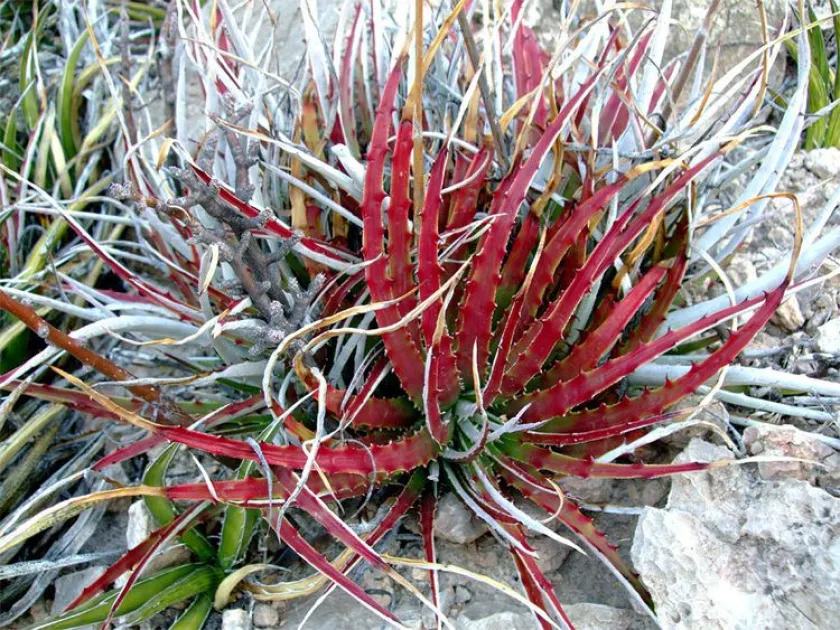
Description
Growing requirements
Hechtia mexicana is a distinctive terrestrial succulent species belonging to the Bromeliad family (Bromeliaceae). Unlike typical tropical bromeliads, this species is specifically adapted to arid, rocky habitats in Mexico, functioning effectively as a desert xerophyte.
The plant grows in dense, rosettes of rigid, spiny leaves that are highly efficient at water storage. Its native habitat consists of steep, sun-drenched slopes where it thrives in mineral-rich, stony soil with excellent drainage.
For agricultural and horticultural cultivation, the primary requirement is a substrate that mimics its natural environment. A mix of coarse sand, gravel, and organic matter is recommended to prevent water retention, as the species is highly susceptible to root decay.
Exposure to full, direct sunlight is essential for maintaining the plant’s structural integrity and characteristic leaf coloration. In domestic or greenhouse settings, providing high light intensity is crucial to prevent the plant from becoming leggy or etiolated.
In economic and landscaping terms, Hechtia mexicana is valued as a low-maintenance, drought-tolerant ornamental plant. It is widely used in xeriscaping projects in arid regions, providing aesthetic value without the need for constant supplemental irrigation.
Main diseases and pests
The most significant threat to the health of Hechtia mexicana is overwatering. Excessive moisture in the potting medium quickly leads to root rot, which is often fatal if not identified early, resulting in the rapid decline of the entire rosette.
Pests such as mealybugs and spider mites frequently target the plant, especially when the ambient humidity is too low. These insects hide between the dense, serrated leaf bases, making manual removal or chemical treatment challenging.
Effective management involves consistent monitoring of the leaf axils. Utilizing targeted systemic insecticides or horticultural oils can help control infestations before they spread across the entire collection of succulents.
Fungal infections can also occur if water is trapped in the center of the rosette, especially during periods of low light or lower temperatures. Improving air circulation around the plant is a critical cultural practice to mitigate this risk.
Maintaining a dry dormancy period during the winter months is recommended to ensure the plant's health. By strictly controlling the water supply and monitoring for early signs of stress, growers can preserve the longevity of this species.