
Hechtia texensis
Hechtia texensis
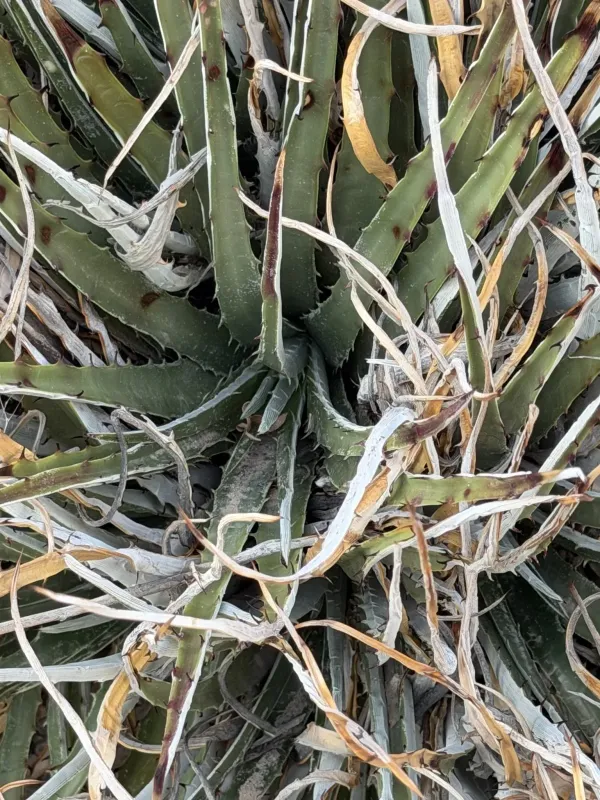
Description
Growing requirements
Hechtia texensis, commonly known as a type of false agave, is a perennial succulent plant within the Bromeliaceae family. Unlike many of its tropical relatives, this species is a hardy terrestrial plant adapted to thrive in harsh, arid environments.
Native to the limestone cliffs and rocky canyons of Texas and northern Mexico, this species has evolved as a xerophyte. It utilizes its stiff, spiny leaves to store water efficiently, allowing it to survive through prolonged periods of extreme heat and drought.
Botanically, the plant develops in a rosette shape, featuring tough, linear leaves that are lined with sharp, serrated edges. The foliage is often coated with silvery scales, which serve as a protective barrier to reduce moisture loss and reflect intense desert sunlight.
In terms of soil and cultivation, Hechtia texensis requires a substrate with excellent drainage properties. A mix dominated by inorganic materials like coarse sand, pumice, and gravel is essential to prevent water accumulation, which can be fatal to the root system.
The plant is highly heliophilic and demands full sun exposure to maintain its structural integrity and health. In indoor or greenhouse environments, it is imperative to place the plant in a position where it can receive direct, unfiltered sunlight for most of the day.
Main diseases and pests
The most significant threat to the health of Hechtia texensis is root rot, typically caused by overwatering or poor drainage. Given its natural adaptation to dry climates, the plant is far more tolerant of dehydration than it is of saturated or boggy soil conditions.
Pests such as spider mites and mealybugs represent the primary biological threat. These insects tend to shelter within the tight, spiny rosettes, making them difficult to detect. Their feeding can cause localized tissue damage and weaken the plant's natural resistance.
Fungal infections can also occur if humidity levels remain too high or if water collects within the center of the rosette. Proper air circulation is vital to ensure that foliage dries quickly after any accidental wetting, thereby preventing the development of mold or rot.
Effective management involves consistent monitoring of the leaf bases and the health of the root system. If the foliage loses its natural color or starts to soften, it often indicates an underlying issue related to watering habits or pest infestation that requires immediate attention.
To ensure long-term health, growers should maintain a strict sanitary regime by removing dead leaves and weeds from the pot. Using preventative measures, such as periodic dusting or mild insecticidal soap applications, can help protect the plant from becoming a host for common greenhouse pests.