
Greigia sphacelata
Greigia sphacelata
Description
Sowing dates
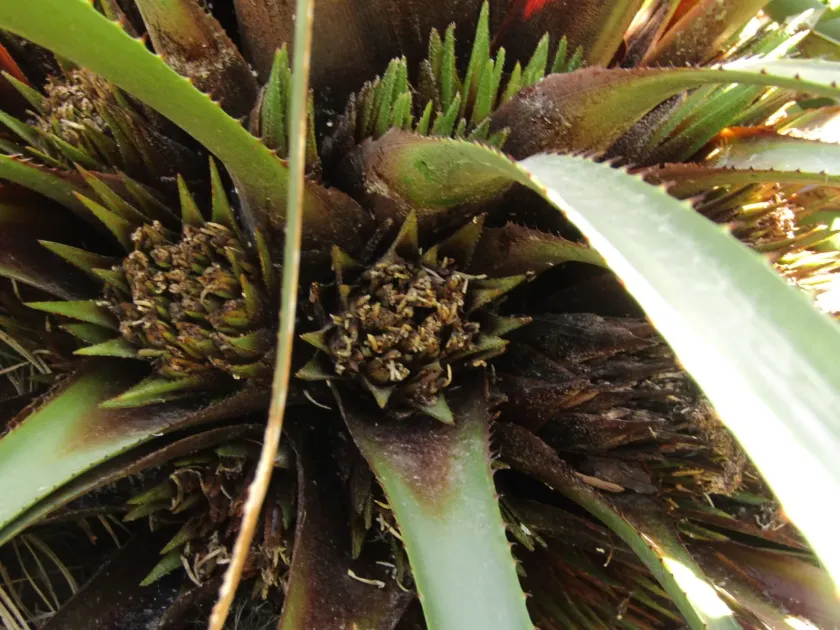
Greigia sphacelata is a perennial plant belonging to the Bromeliaceae family, native to the temperate regions of Chile. Unlike most bromeliads, this species is terrestrial and thrives in dense, low-growing colonies, forming robust rosettes with long, spiny leaves.
In agricultural practice, propagation is primarily achieved through the division of rhizomes or offsets. This method is preferred over seeding because it allows for the stabilization of genetic traits and results in faster plant establishment within the field or greenhouse.
The optimal time for planting offsets is during the early spring when temperatures become consistently mild. Providing adequate spacing is essential, as the plant spreads through an underground rhizome system, eventually forming large, interconnected clumps.
Soil preparation is critical for the initial growth phase; the medium should be rich in organic matter and possess excellent drainage properties. A failure to provide proper drainage often leads to physiological stress and root system decline in young plants.
Although the plant has a slow initial growth rate, once established, it becomes a very hardy perennial. Proper monitoring during the first months after planting helps to ensure that the root system develops sufficiently to support the dense leaf structure.
Growing requirements
Greigia sphacelata thrives in cool, moist, and temperate climates. It is highly sensitive to extreme heat and prolonged direct sun exposure, which can lead to leaf necrosis. Therefore, cultivation in semi-shaded areas or climate-controlled environments is standard.
The plant demands a consistent moisture level but is highly intolerant of waterlogged soil. A well-aerated substrate with a slightly acidic pH is ideal. In greenhouses, maintaining proper air circulation is essential to prevent the accumulation of humidity within the rosette center.
The nutritional requirements of this species are relatively modest. Occasional application of liquid fertilizer, specifically formulated for bromeliads or acid-loving plants, during the growing season is sufficient to maintain plant health and vigor.
Temperature management is a key factor, as the species is adapted to cooler environmental conditions. While it can withstand light frosts, prolonged exposure to freezing temperatures may cause damage to the foliage and affect future reproductive potential.
Regular maintenance includes removing dead foliage from the base of the rosette to improve airflow. This practice reduces the risk of pest infestation and prevents the development of fungal pathogens in the dense, moist environment of the leaf bases.
Main diseases and pests
The dense structure of Greigia sphacelata makes it a potential shelter for various pests, including mealybugs and scale insects. These pests often congregate at the base of the leaves, where they are protected from environmental factors and treatment agents.
Fungal infections represent a significant threat to the plant, particularly if moisture levels are poorly controlled. Species of Phytophthora and other water-borne pathogens can cause root and crown rot, which often leads to the sudden collapse of the entire rosette.
Slugs and snails can also pose a risk to young plants, as they are attracted to the tender emerging tissues within the leaf center. Integrated pest management strategies, such as physical barriers or biological controls, are recommended to minimize damage.
Monitoring for signs of nutrient deficiency or toxic accumulation is important, as the plant's long, strap-like leaves are highly sensitive to chemical imbalances. Yellowing or browning of leaf tips often serves as an early indicator of suboptimal soil conditions.
Early detection of these issues is crucial for successful cultivation. Regular scouting of the inner rosette area, where pests and diseases are most likely to originate, is an essential component of the professional management of this crop.
Harvesting
The edible fruit of Greigia sphacelata is the primary objective of cultivation. The fruit is typically found hidden within the dense cluster of the rosette, making it a challenging crop to locate and harvest efficiently.
Harvesting should be performed only when the fruit reaches full maturity, usually indicated by a softening of the fruit texture. Timing is critical, as the fruit can degrade quickly once it reaches the peak of its ripeness.
Due to the sharp, spine-covered leaves of the plant, harvesting requires the use of thick, puncture-resistant gloves. Care must be taken to carefully manipulate the leaves to access the fruit without causing excessive mechanical stress to the plant.
Post-harvest handling is vital, as the fruits have a relatively short shelf life. They should be transported in ventilated containers to prevent moisture buildup and decay, which can occur rapidly in the warm, humid conditions often found near the harvest site.
The economic value of the harvest is usually limited to local markets, where the fruit is appreciated for its distinct, refreshing flavor. Proper post-harvest management ensures that the delicate quality of the produce is maintained for the consumer.