
Bromelia
Bromelia L.
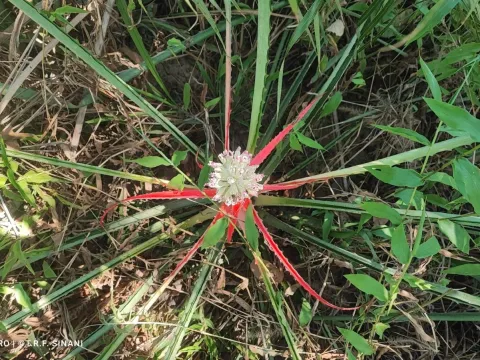
Bromelia (Latin: Bromelia) is a genus of perennial herbaceous plants belonging to the Bromeliaceae family. These plants are native to the tropical regions of the Americas, ranging from Mexico to Argentina, where they occupy diverse ecological niches.
What the section contains
Bromelia
The botanical structure of Bromelia is characterized by a dense rosette of stiff, often serrated leaves. These rosettes function as biological reservoirs, collecting rainwater and organic debris, which provide the plant with nutrients in their natural habitat.
Successful cultivation requires a warm, humid environment with consistent temperatures ranging from 20°C to 25°C. Exposure to direct, harsh sunlight can damage the epidermis of the leaves, so filtered or ambient light is typically preferred in professional settings.
The choice of growing medium is critical for the survival of the plant. A well-draining, highly porous substrate, often composed of pine bark, peat moss, and perlite, is necessary to prevent the accumulation of moisture around the roots, which can lead to rapid decay.
Agrotechnical practices emphasize precise irrigation. Water should ideally be poured into the central leaf tank rather than directly into the soil to ensure healthy nutrient uptake and prevent the root zone from becoming waterlogged.
Typical pests affecting Bromelia include scale insects, mealybugs, and spider mites. These pests thrive in environments with low humidity and poor ventilation, often damaging the decorative leaf rosettes and reducing the aesthetic and commercial value of the crop.
Fungal and bacterial rot are the most significant threats to plant longevity. These issues usually arise from poor water quality, overly compacted soil, or water stagnation within the leaf rosette during cooler, low-light periods, requiring immediate management of environmental conditions.